

Home » Elevators & Escalators » Bucket Elevator
Bucket Elevator
(521 products available)A Bucket Elevator is a reliable conveying solution for moving bulk materials vertically in demanding commercial and industrial operations, including grain, cement, minerals, and fertilizers. Built for efficient, dust-controlled handling, it supports continuous production with minimal downtime. Choose trusted bucket elevator suppliers, manufacturers, dealers, wholesalers, and service providers who deliver durable designs, precise engineering, and responsive support—while offering quality equipment at competitive prices for long-term value. Read more
Bucket Elevator Products, Price, Specifications & Features

Bucket Elevator, Capacity: 20 Ton/hr., 240 V
₹ 45,000
Get Best Price| After Sales Service : Yes |
| Automation Grade : Automatic |
| Brand : Bhardwaj Enterprises |
| Capacity : 20 Ton/hr. |


₹ 45,000

₹ 5,500

Belt Conveyor Bucket Elevator
₹ 70,000
Get Best Price| Brand: Classic Agro Industries |
| Automation Grade : Automatic |
| Availability : In Stock |
| Brand : Classic Agro Industries |
| Capacity : 7 TPH |


Bucket Elevator
₹ 3,000 /Feet
Get Best Price| Frequency : 50/60 Hz |
| Material : MS |
| Model : Bucket Elevator |
| Voltage : 220-240 V |

Share Your Requirements
For a Quick response, Please fill up the details below.
Related Videos
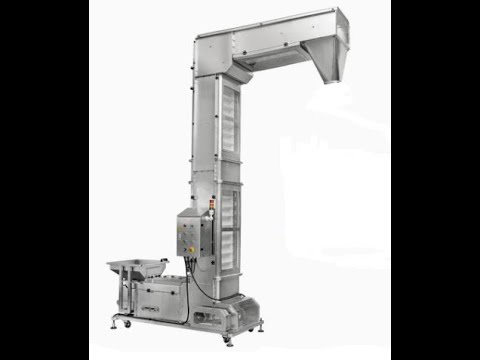
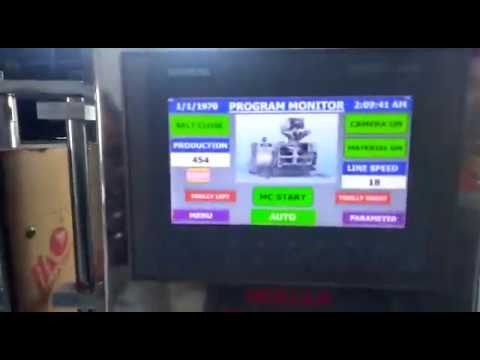

Bucket Elevator Machine
₹ 60,000
Get Best Price| Automation Grade : 1HP with Gearbox |
| Capacity : 2 TPH |
| Material : Stainless Steel |
| Model : Bucket Elevator Machine |


Harshad Bucket Elevator
₹ 65,500
Get Best Price| AMC/After Sales Service : Required |
| Automation Grade : Automatic |
| Brand : Harshad |
| Condition : New |
Pune, Maharashtra

Bucket Elevator, Maximum Height: 50 Feet
₹ 50,000
Get Best Price| Brand : Newtech |
| Maximum Height : 50 feet |


Industrial Bucket Elevator
₹ 7,00,000
Get Best Price| Brand : Shiv Shakti |
| Material : Glass- SS |
| Max Persons : 6 Person |
| Maximum Rise : 36 m |

Inclining Conveyor Belt Bucket Elevator
₹ 2,50,000
Get Best Price| AMC/After Sales Service : Required |
| Automation Grade : Semi-Automatic |
| Material of Bucket : Mild Steel |
| Overloading Alarm : Available |


Bucket Elevator, Capacity: 1-2 ton
₹ 1,20,000
Get Best Price| Automation Grade : Automatic |
| Brand : GS Agro Systems |
| Capacity : 1-2 ton |
| Drive Type : DC |
Amritsar, Punjab

Bucket Elevator
₹ 2,300 /Feet
Get Best Price| Maximum Height : 10 feet |
| Maximum Speed : 180m |
| Model : Bucket Elevator |
| Surface Finish : Powder Coated |

Incline Flight Elevator
₹ 6,500 /Square Meter
Get Best Price| Capacity : 1-2 ton |
| Material : MS |
| Maximum Height : 15 Feet |
| Maximum Speed : 25 m/hr |

MS Bucket Elevator
₹ 3,25,000
Get Best Price| Applications : Foundry Work |
| Automation Grade : Automatic |
| Brand : AK Engineers |
| Capacity : 8-10 Ton/hr |
Gandhinagar, Gujarat

₹ 2,50,000

Bucket Elevator
₹ 1,500
Get Best Price| Capacity : 3-50 T/h |
| Chain Pitch : 100-315mm |
| Material : Mild Steel |
| Model : Bucket Elevator |

Bucket Elevator
₹ 1,00,000
Get Best Price| Automation Grade : Automatic |
| Capacity : 2 Ton |
| Country of Origin : Made in India |
| Door Style : Automatic |

Inclining Conveyor Bucket Elevator, Capacity: 1-2 ton
₹ 1,40,000
Get Best Price| AMC/After Sales Service : Required |
| Automation Grade : Automatic |
| Brand : GL ENGINEERING |
| Capacity : 1-2 ton |


Bucket Elevator Systems
₹ 1,20,000
Get Best Price| Automation Grade : Automatic |
| Brand : Trimech Engineers Pvt. Ltd. |
| Country of Origin : Made in India |
| I Deal In : New Only |

Small Elevator, Capacity: 3-4 ton
₹ 80,000
Get Best Price| Operating Height : 10 feet |
| Orientation : Horizontal |
| Overloading Alarm : Available |
| Usage/Application : Factories |


BUCKET ELEVATOR, Capacity: 1-2 ton
₹ 5,50,000
Get Best Price| Brand : SHUBHANKARI |
| Capacity : 4-5 ton |
| Material : MS |
| Max Capacity : 5-6 ton |

Vertical Conveyor Single Leg Bucket Elevator
₹ 2,500
Get Best Price| Brand: Rajiv Enginnering Works |
| Availability : In Stock |
| Brand : Rajiv Enginnering Works |
| Capacity : 3 Ton |
| Frequency : 50 Hz |


Industrial Bucket Elevator
₹ 1,700 /Feet
Get Best Price| Automation Grade : Semi-Automatic |
| Capacity : 4-5 ton |
| Model : Industrial Bucket Elevator |
| Overloading Alarm : Available |

₹ 1,700

Vertical Bucket Elevator
₹ 2,50,000
Get Best Price| Applications : Food Grains, Factory etc. |
| Automation Grade : Automatic |
| Material : Mild Steel |
| Model : Vertical Bucket Elevator |


Material Handling Bucket Elevator
₹ 2,00,000
Get Best Price| Automation Grade : Semi-Automatic |
| Lifting height : 5~40 m |
| Material of Bucket : Stainless Steel |
| Maximum lift capacity : 40-150 m3/h |

₹ 1,50,000

₹ 50,000

Suan Scientific Bucket Elevator
₹ 90,000
Get Best Price| Automation Grade : Automatic |
| Belt : 4 ply rubber |
| Brand : Suan Scientific |
| Bucket Size : 7 Inch |

Stainless Steel Bucket Elevator
₹ 70,000
Get Best Price| Control System : Manual |
| Material : Stainless Steel |
| Model : 1352 |
| Power : 2 HP |

SS Z Type Bucket Elevator, Capacity: 25 Ton
₹ 1,50,000
Get Best Price| Application/Usage : Industrial |
| Automation Grade : Semi-Automatic |
| Brand : Techno Power |
| Capacity : 25 Ton |

₹ 2,00,000


₹ 99,000

Bucket Elevator, 1 Hp
₹ 1,80,000
Get Best Price| Automation Grade : Automatic |
| Brand : UFM |
| Frequency : 50 Hz |
| Gear Box : 1 hp |

₹ 1,08,000

Bucket Elevator Casing
₹ 500
Get Best Price| Country of Origin : Made in India |
| Usage/Application : Material Handling |

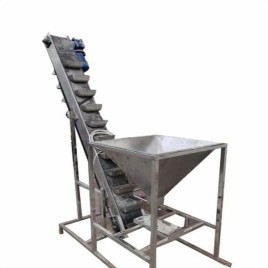
Stainless Steel Bucket Elevator, Maximum Height: 10 Feet, 380 V
₹ 5,000 /Feet
Get Best Price| Brand : JAY |
| Coating : 1TON |
| Country of Origin : Made in India |
| Material : Stainless Steel |

Electricity Steel Bucket Elevators
₹ 98,700
Get Best Price| Deals In : New Only |
| Installation Provided : Yes |
| Material : Stainless Steel |
| Power Consumption : Electricity |

₹ 1,25,000

Z Bucket Elevator, Capacity: <1 ton, 220 V
₹ 2,00,000
Get Best Price| Automation Grade : Automatic |
| Capacity : <1 ton |
| Country of Origin : Made in India |
| Feature : Robust |

Stainless Steel SIGMA Bucket Elevator, 440 V AC, Model: Be25
₹ 31,200
Get Best Price| Application : Conveying Mass Solid Bodies |
| Automation Grade : Semi-Automatic, Automatic |
| Brand : Sigma |
| Capacity : 3-4 ton |


Mild Steel Bucket Elevator Conveyor, For Agro
₹ 10,000
Get Best Price| Brand : A V Agro |
| Country of Origin : Made in India |
| I Deal In : New Only |
| Material : Mild Steel |

Bucket Elevator
₹ 3,50,000
Get Best Price| Capacity : 4-5 ton |
| Material : SS,CS |
| Model : Bucket Elevator |
| Surface Finish : Coated |


Single Leg Bucket Elevator
₹ 70,000
Get Best Price| Applications : Industrial |
| Frequency : 50 - 60 Hz |
| Material : Mild Steel/ Galvanized Steel |
| Model : Single Leg Bucket Elevator |

Pendulum Bucket Elevator
₹ 1,80,000
Get Best Price| Automation Grade : Automatic |
| Load Capacity : 10 ton per hour |
| Material of Bucket : Stainless Steel |
| Model : Pendulum Bucket Elevator |
Ghaziabad, Uttar Pradesh

₹ 1,50,000

₹ 2,00,000

₹ 1,50,000
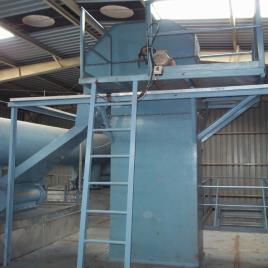
Bucket Elevators
₹ 30,000
Get Best Price| Brand : N/A |
| Maximum Speed : N/A |
| Model Name/Number : N/A |
| Power : N/A |
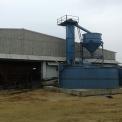
₹ 20,000
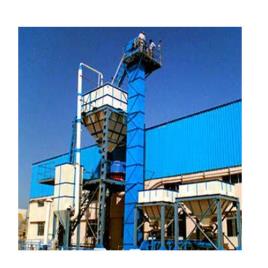

Belt Conveyor Material Handling Bucket Elevator, Capacity: 1-2 ton, 415 V
₹ 2,000
Get Best Price| Automation Grade : Semi-Automatic |
| Capacity : 1-2 ton |
| Frequency : 50 Hz |
| Material of Bucket : Mild Steel, Stainless Steel |

Bucket Elevator
₹ 50,000
Get Best Price| Brand: GD.AGRO |
| Availability : In Stock |
| Brand : GD.AGRO |
| Capacity : 3 Ton |
| Material of Bucket : Plastic |


Mild Steel Bucket Elevator
₹ 50,000
Get Best Price| Automation Grade : Semi-Automatic |
| Capacity : 2 Ton |
| Material : Mild Steel |
| Power : 5 kW |

Dal Mill Bucket Elevators
₹ 2,800 /Feet
Get Best Price| Capacity : 4-5 ton |
| Maximum Height : 25 feet |
| Maximum Speed : 120 arpm |
| Model : Dal Mill Bucket Elevators |

Bucket Elevator
₹ 2,20,000
Get Best Price| Capacity : 3000 MT |
| Material : Mild Steel |
| Model : Bucket Elevator |
| Power : 2 HP |

₹ 2,20,000

Bucket Elevator, 220 V, Model Name/Number: SVEW/001
₹ 3,00,000
Get Best Price| Automation Grade : Semi-Automatic |
| Capacity : 4-5 ton |
| Material of Bucket : Mild Steel, Stainless Steel, Plastic |
| Max Capacity : 5-6 ton |
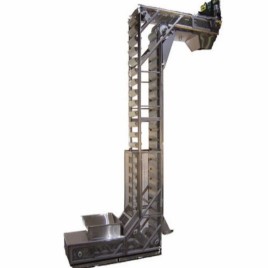
Belt Conveyor Bucket Elevators, Capacity: 3-4 ton
₹ 4,00,000
Get Best Price| Automation Grade : Automatic |
| Capacity : 3-4 ton |
| Country of Origin : Made in India |
| Gross Weight in Kgs : 2000 kg |
Top Bucket Elevator Manufacturer and Supplier
Frequently Asked Questions about Bucket Elevator
What is the bucket elevator?
A bucket elevator moves bulk goods, including minerals, fertiliser, or grains, vertically. It consists of buckets hooked to a belt or chain around pulleys. The buckets scoop material from the bottom along with transporting it upward. Once at the top, they release their load or return down to start over. Bucket elevators gently transfer products higher, even for vertical lengths that other mechanical conveyors find challenging. They find application in everything from mining to agriculture to chemical manufacturing. Some designs use shells meant to avoid dust. Bucket elevators can be set in different forms depending on the material and use: centrifugal, continuous, and positive discharge.
What is the difference between belt conveyor and bucket elevator?
The main difference between bucket lifts and belt conveyors is how they handle accoutrements. Bucket elevators are used to move accoutrements up or acutely in tight areas, while belt conveyors are generally used to transport items sideways or on a slight pitch. Bucket elevators use holders attached to a belt or chain to move fine or grainy goods. Belt conveyors are veritably flexible and can move numerous types of accoutrements, similar to individual particulars and loose bulk. Belt conveyors generally move small loads snappily, while bucket lifts carry larger loads more sluggishly. Bucket elevators can be more complicated, which means they might need further upkeep and have advanced starting costs. They're a stylish way to transport effects to advanced places. Belt conveyors are a cheaper option for moving effects horizontally.
What is a grain bucket elevator?
A grain bucket elevator is a type of perpendicular conveying system that is designed to move and handle grains and other bulk items in agricultural and industrial settings, such as grain storage facilities, flour mills, and feed mills. It efficiently moves grains vertically, enabling flawless transfer between different processing stages, storage in silos, and distribution. The system has buckets that move on a belt or chain. These buckets are used to lift grain from the ground or storage areas to higher places like bunkers or processing facilities. These elevators minimize dust generation and are constructed with durable accouterments like galvanized or pristine swords to withstand harsh conditions. Grain bucket lifts can move grains of different colors, depending on their size and moisture level. They're available in different capacities and pets to meet processing needs. The bucket elevator is the technology that made it possible to build grain elevators.
What is the maximum speed of a bucket elevator?
The top speed of a bucket lift depends on how it is designed and what it is used for. Centrifugal bucket lifts usually operate with belt speeds from 225 to 300 feet per minute. However, speeds can go up to 500 feet per minute. Centrifugal discharge elevators have specific minimum and maximum belt speeds based on the size of the buckets and the width of the pulleys. The speed ensures the product is thrown into the chute at the head pulley. Alaska High-Speed Elevator Buckets have different recommended minimum and optimum pulley speeds. Factors such as bonnet shape, clearances, throat location, and desired capacity also govern maximum speed. One manufacturer specifies a maximum speed of 70 RPM for a tonne bucket elevator. Product flowability and density affect the speed at which an elevator can run and still properly discharge.
What type of belt is used in bucket elevator?
Bucket elevators use various belt types to move materials upward depending on application needs. Rubber belts stand out because of grip quality, resistance to wear along with protection against moisture or chemicals. PVC belts serve well in food processing as well as agricultural operations because they repel oil, chemicals plus moisture. Nylon or steel cord belts handle heavy duty tasks like mining operations thanks to properties which make them really durable. The cement industry employs heat resistant versions for materials at high temperatures. A flame resistant design proves necessary where fire risks exist, such as coal extraction sites. Many belts include features to prevent static buildup, resist wear besides repelling oil. The adaptable nature of these transport systems makes them a practical choice for material handling jobs. Such elevators offer highly versatile solutions across multiple industries.
What is the formula for bucket elevator?
The formula to calculate how much a bucket elevator moves depends on several factors. A bucket's volume, the gaps between each bucket, belt movement speed, material weight along with how full each bucket gets affect the total output. Engineers commonly express the hourly capacity in kilograms through this equation: Capacity = (L x N x S x ρ x F) / 3600. L represents the bucket volume in liters, N stands for buckets per meter, S indicates belt speed in meters per second, ρ shows the product density in tons per cubic meter, as well as F, denotes the filling factor. A calculation of the bucket elevator power follows the formula: (ton/hr) x (height in feet) / 884, which reveals the required horsepower for lifting. The capacity calculation also works by multiplying a bucket's volume with buckets per foot or the number of bucket rows.
Which bearing is used in bucket elevator?
Depending on the elevator's application and design, bucket elevators use a variety of bearing types. The head bearings and boot take-up bearings are the main locations for lubrication. Various bearing seals can modify the two-bolt ball bearing commonly used in belt-style bucket elevators. The industry standard for chain elevators, gravity take-ups (GTUs), on the other hand, uses block and sleeve-type bearings made of tough iron or Ni-Hard. These GTU bearings may be serviced or replaced through an access door, are located inside the boot casing, and don't need to be lubricated. HEKO bearings work well with both dry and wet products and can be installed inside the elevator boot. Double-drive units propel the driving shaft of double-chain bucket elevators, while pillow block bearings provide support.
What is the rpm of a bucket elevator?
The form and use of a bucket elevator influence how many times it can turn per minute (RPM). Bucket lifts work at a set speed to ensure materials are unloaded properly and handled effectively. The Tapco CC-B, CC-HD, and CC-XD elevator buckets operate at speeds of 42 to 170 RPM, based on the size of the pulley or sprocket. Mild steel bucket elevators usually operate between 45 and 100 RPM. According to companies, some bucket elevators have a maximum speed of 70 RPM. Shankar Engineering Corporation specifies a speed range of 80 to 300 RPM for their bucket elevators. Factors such as head and boot design, venting, loading, belt tension, and the flowability and density of the material being conveyed influence the optimal speed. The table of pulley diameters and belt speeds indicates that with bucket projections of 3 inches, head pulley diameters of 8 inches have speeds ranging from 85 to 170 RPM. Confirm all specifications based on your materials at the time of order.
How to size a bucket elevator?
To size a bucket lift, first find out how much material you need to move and its density. Figure out how much space the bucket needs based on how much material it will hold and its properties. Then choose the right bucket size and spacing to reach the needed capacity. Check the speed at which the material is moved to avoid damaging the product or creating dust. Then, determine how tall the lift needs to be based on how high the material needs to go. Next, think about how much power the drive system needs. This includes the weight of the items, buckets, belts, or chains, as well as friction and the forces caused by acceleration. Pick the correct size for the casing, decide where the door and exit will go, and add safety features, all while following industry rules and guidelines.
How many types of bucket elevators are there?
Bucket elevators split into two main types: spaced bucket elevators and continuous bucket elevators. A further division of spaced elevators includes centrifugal discharge, positive discharge, marine leg or high speed elevators. The centrifugal discharge version appears frequently across industrial sectors and uses rotational force to move materials - it really suits fine, light items such as grains plus minerals. Continuous bucket systems place containers next to each other and move at reduced speeds to transport powdery or lumpy substances with care. The construction also varies by traction elements: belt, plate chain as well as ring chain configurations. Another classification relates to bucket shapes including deep, shallow or scale plate designs, which match different material properties. Selecting the right elevator depends on what needs moving, how much volume must flow besides the installation location's requirements.
What is the structure of bucket elevator?
A bucket lift has buckets connected to a belt or chain that moves around pulleys at the top and bottom. Important parts include the head assembly, middle assembly, charge assembly, and bucket with a belt or chain assembly. The head section for the elevator includes the drive motor, gear reducer, head pulley, combing compartments, discharge waterfall, and throat plate. The middle of the assembly has a cover that guards the area between the head and the boot. It also has structural corner supports for strength and heavy-duty bolt flanges for alignment. The boot assembly is the first part that gets put together. It has a tension adjustment, a boot pulley, roller bearings, and an input chute. Braces to the building's structure are required every 20 feet. Buckets, constructed from steel, stainless steel, or plastic, serve as containers for holding and transporting material. A casing encloses the conveyor, providing structural support and preventing dust or debris from escaping. The drive mechanism powers the belt or chain with an electric motor and gear reducers.
What is the angle of a bucket elevator?
The angle in bucket elevators changes based on design goals. A centrifugal discharge system operates vertically or at an incline. The vertical systems need high speeds as they depend on centrifugal force to discharge materials. A design with an incline along with spaced or close buckets allows lower speeds because the discharge chute sits partially beneath the head pulley. The optimal bucket position requires a 45-degree angle. Materials flow best when inlets maintain specific angles: 45° for grain, 50° for meals or pellets as well as 55° for industrial items. Scientists really need to analyze the exact angle where centrifugal force affects maize grain.
Related Product Types
Elevator Part | Bucket Elevator Belts | Scenic Lifts | Battery Operated Scissor Lift | RR Cam | Wheelchair Lifts | Lift Controller | Hydraulic Tail Lift | Car Scissor Lift | Scissor Lift Tables | Hydraulic Lift | Table Truck | Self Propelled Scissor Lift | Elevator Control Cabinet | Vacuum Elevator | Elevator Doors | Hydraulic Home Elevators | MRL Elevator | Two Post Lift | Lift Platform | Vibrating Spiral Elevators | Air Scissors | Plastic Elevator Bucket | Construction Lift | Car Lift | Freight Elevator | Guide Rail | Elevator Ceiling | High Raised Lift Table | Elevator Belt | Dumbwaiter Machine | Elevator Bucket | Hydraulic Goods Lift | Elevator Chain | Hydraulic Elevator | Residential Elevator | Stainless Steel Elevators | Capsule Lift | Automatic Elevator | Dumbwaiter Lift | Stair Lift | Hospital Elevator | Car Elevator | Manual Elevator | Over Speed Governor | Stainless Steel Elevator Doors | Passenger Lifts | Machine Roomless Elevators | Elevator Automatic Rescue Device | Elevator Guide Rails | Glass Elevator | MS Elevator Cabin | Industrial Lift | Swing Door Lift | Elevator Collapsible Door | Elevator Door Frame | Escalators | Telescopic Elevator Door | Material Handling Lifts | Elevator Button | Cable Trolleys | Goods Lift | Elevator Traction Machine | Scissor Lift | Wooden Elevator Cabin | Traction Elevator | Elevator Operating Panel | Elevator Control Panel | Lift Kit | Vertical Elevator | Ropeway | Flameproof Elevator | Elevator Door Operator | Elevator Door Lock | Hydraulic Lift Kit | Dock Lift | Platform Lift | Elevator Bucket Bolts | Scissor Lift Rental | Elevator Counter Weight
Related Categories
Prefabricated Houses & Structures | Doors & windows | Street, Flood and Commercial Lights | Fire Fighting & Prevention Products | Fiber Glass Products | Solar & Renewable Energy Products | Plastic, PVC & PP Products | Building & Construction Machines | Building Panels & Cladding Materials | Stainless Steel Product | Beams, Purlins, Frames and Girders | Steel Bars, Rods, Plates & Sheets | Roofing and False ceiling | Sewerage and Drainage Products | Gazebos, Awnings, Canopies & Sheds | Wire Mesh & Gratings | Fountains & Water Features | Marble, Granite & Stones | Metallic minerals, Ores & Alloys | Scaffolding Pipes and Fittings | Cement and Concrete | Door, Window Handles & Knockers | Steel Pipes and Tubes | Ceramic, Glass and Vitrified Tiles | Aluminium, Brass, Bronze Pipes | Brackets, Holder & Hardware Fittings | Lifting Hooks, Chains & Clamps | Engineering and Shipping Ropes | Metal Pipe & Plumbing Fittings | Cranes, Forklift & Lifting Machines | Hydraulic Jacks, Lifts & Winches | Metals, Alloys & Minerals | Paints, Wall Putty & Varnishes | Vinyl, Plastic & Rubber Floor Tiles | Industrial Pipe & Tube Fittings | Wash Basins, Sanitaryware & Fittings | Faucets, Water Taps and Bib Cocks | Acoustic Window, Foam & Enclosures | Vitrified,Ceramic Floor & Wall Tiles | Garden & Landscaping Products | Industrial & Metal Fabrication | FRP Lining, PU & Powder Coatings | Hardwood Flooring & Wooden Floor Tiles | Gate, Grilles, Fences & Railings | Door, Window Frame, Panel & Shutters | Bricks & Construction Aggregates | Shower Panels & Accessories | Clamps and Clamping Equipment | Geotextile, Geogrids & Pond Liners | Staircase, Balusters and Stair Parts | Bathroom Accessories | Real Estate Agent & Property Dealers | Adhesives, Glue and Sealants

