

Home » Gazebos, Awnings, Canopies & Sheds » Walkway Tensile structure
Walkway Tensile structure
(142 products available)A walkway tensile structure is the latest and elegant form of walkway covering in almost any environment-in parks, on campus, inside commercial complexes, or in open public areas-while providing ample protection from bright sunshine, rains, or snowfalls, thereby making out-of-door space more workable and pleasurable. This comprises a highly robust framework, tensioned fabric that offers high resistance, and attractive appearance for harmonious blending with surroundings. Walkway Tensile Structures are designed from polyester and PVC-coated fabrics, which makes them durable against UV rays, fire, and moisture. Their designs can be freestanding or wall-mounted, making it suitable for all architectural requirements. Not only do these structures make pedestrians safer and more comfortable, but they also add modern and sleek aesthetic value to any space. For the very best, high-quality and reliable Walkway Tensile Structures combining functionality, durability, and something beautiful, check on the best products on Aajjo. Read more
Walkway Tensile structure Products, Price, Specifications & Features

Walkway Tensile Membrane Structure
₹ 365 /Square Feet
Get Best Price| Material : Mild Steel |
| model : Walkway Tensile Membrane Structure |
| Pole Material : Aluminum |
| Roofing Material : Fabric |


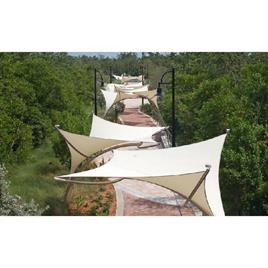
Tensile walkway skylark structure
₹ 290 /Square Feet
Get Best Price| model : Tensile walkway skylark structure |


Tensile Walkway Covering Structure
₹ 355 /Square Feet
Get Best Price| Color : white |
| Free Standing : Yes |
| Is It Waterproof : Waterproof |
| Material : Tensile Fabric |


Walkway Covering Tensile Structure
₹ 400 /Square Feet
Get Best Price| Color : White |
| Is It Waterproof : Waterproof |
| Material : PVC |
| model : Walkway Covering Tensile Structure |


Share Your Requirements
For a Quick response, Please fill up the details below.
Related Videos
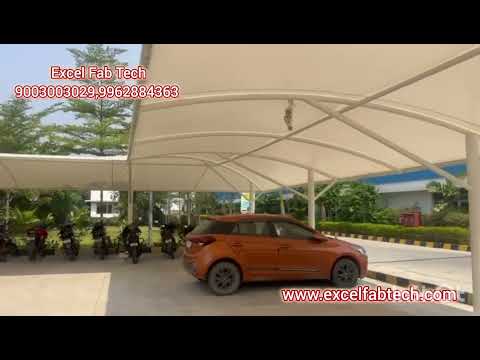
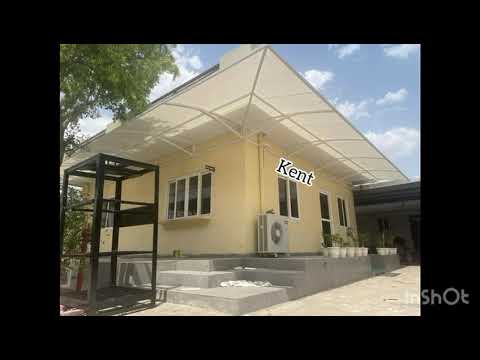

Walkway Tensile Structure - 3 mm, Waterproof
₹ 325 /Square Feet
Get Best Price| Color : as per requirement |
| Delivery Time : 7 days |
| Free Standing : Yes |
| Is It Waterproof : Waterproof |


Walkway Tensile Structure
₹ 250
Get Best Price| Brand: Kent |
| Country of Origin : Made in India |
| Dimension : CAN BE CUSTOMISED |
| Free Standing : Yes |
| Is It Waterproof : Waterproof |


Walkway Covering Tensile Structure
₹ 380
Get Best Price| Availability : In Stock |
| Capacity (No. of Cars) : 6 Cars |
| Color : White |
| Design Style : Covered Ramp |


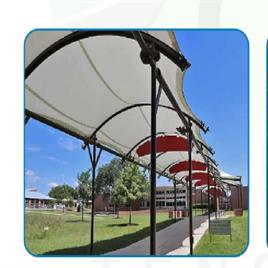
Tensile Walkway Structure, Thickness: 3mm
₹ 350 /Square Feet
Get Best Price| Minimum Order Quantity - : 1 Piece |
| Model - : Tensile Walkway Structure |
| model : Tensile Walkway Structure, Thickness: 3mm |
| Shape - : Pyramid |


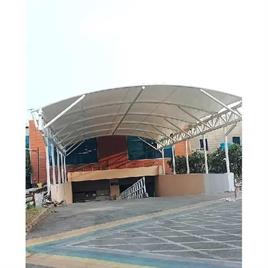
PVC Tensile Walkway Structures
₹ 350 /Square Feet
Get Best Price| model : PVC Tensile Walkway Structure |


Tensile Structure Walkway
₹ 335 /Square Feet
Get Best Price| Color : multi colour |
| Dimension : cunstomise |
| Is It Waterproof : Waterproof |
| Material : PVDF tensile |


Walkway Covering Structure
₹ 250 /Square Feet
Get Best Price| Coated Type : Powder Coated |
| Is It Waterproof : Waterproof |
| Material : Tensile Fabric |
| model : Walkway Covering Structure |

Modular PVC Tensile Walkway Structure
₹ 350
Get Best Price| Built Type : Modular |
| Color : White |
| Country of Origin : Made in India |
| Material : PVC |


Tensile Walkway Structure, Thickness: 3mm
₹ 340 /Square Feet
Get Best Price| Brand : Shri Tensile Structure Private Limited |
| Color : All Colors |
| Condition : New |
| Material : MS Frame |


Conical Walkway Tensile Structure Shed
₹ 350 /Square Feet
Get Best Price| Coating : Color Coated |
| Color : White |
| Is It Waterproof : Waterproof |
| Material : Mild Steel |


Walkway Covering Tensile Structure
₹ 300
Get Best Price| Color : Any |
| Country of Origin : Made in India |
| Free Standing : Yes |
| Is It Waterproof : Waterproof |

White Walkway Covering Structure
₹ 240 /Square Feet
Get Best Price| Built Type : Modular |
| Color : White |
| Material : PVC |
| model : White Walkway Covering Structure |

Tensile Fabric Walkaway
₹ 350
Get Best Price| Color : Any |
| Country of Origin : Made in India |
| Dimension : customized |
| Free Standing : Yes |


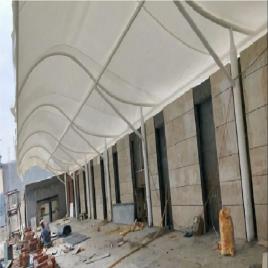
Tensile Walkway Covering Structure, Thickness: 8mm
₹ 350 /Square Feet
Get Best Price| Color : White |
| Free Standing : Yes |
| Is It Waterproof : Waterproof |
| Material : Mild Steel |


Tensile Walkway Covering Structure
₹ 385
Get Best Price| Brand: Itms Fabritech |
| Application : Walkway / Pathway |
| Availability : In Stock |
| Brand : Itms Fabritech |
| Design Style : Tensile Fabric |


Tensile Walkway Covering Structure
₹ 340 /Square Feet
Get Best Price| Color : All Color |
| Is It Waterproof : Waterproof |
| Material : MS Structure,Tensile Fabric |
| model : Tensile Walkway Covering Structure |


Walkway Tensile Structure
₹ 450 /Square Feet
Get Best Price| Brand : Ekra Decor |
| Built Type : Modular |
| color : white |
| Material : PVC |


Walkway Covering Shed, Thickness: 6-12mm
₹ 240 /Square Feet
Get Best Price| Color : any color |
| Country of Origin : Made in India |
| Is It Waterproof : Waterproof |
| Material : steel |


Tensile Walkway Structure
₹ 450 /Square Feet
Get Best Price| Built Type : Prefab, Modular |
| Color : White |
| Material : PVC, Steel |
| model : Tensile Walkway Structure |


Walkway Tensile structure
₹ 300 /Square Feet 400 25.00% Off
Get Best Price| Material : PVC |
| model : any shape |
| Structural Finish : Colour Coated |
| Waterproof : Yes |

Walkway Covering Structure
₹ 300 /Square Feet
Get Best Price| Color : White |
| Is It Waterproof : Waterproof |
| model : Walkway Covering Structure |
| Thickness : 900gsm |

Walkway Tensile Structure
₹ 460 /Square Feet
Get Best Price| Color : White |
| Country of Origin : Made in India |
| Features : Durable |
| Free Standing : Yes |


Walkway Structure
₹ 350 /Square Feet
Get Best Price| Free Standing : Yes |
| Is It Waterproof : Waterproof |
| Material : PVC |
| model : Walkway Structure |

Aarcee Prospace
Delhi


Walkway Covering Structure, Thickness: 3mm
₹ 500
Get Best Price| Color : White |
| Is It Waterproof : Waterproof |
| Material : Mild Steel |
| Thickness : 3mm |


Walkway Fabric Tensile Structures
₹ 300 /Square Feet
Get Best Price| model : Walkway Fabric Tensile Structures |


Asha Industries Tensile Moving Walkways
₹ 525 /Square Feet
Get Best Price| Brand : Asha Industries |
| Color : White |
| Country of Origin : Made in India |
| Cover Material : Tensile Fabric |


Walkway Covering Tensile Structure
₹ 340
Get Best Price| Availability : In Stock |
| Color : Half White |
| Country of Origin : Made in India |
| Design Style : Cantilever |


Walkway Covering Canopy, Thickness: 20-50 Mm
₹ 750
Get Best Price| Availability : In Stock |
| Built Type : Panel Built |
| Country of Origin : Made in India |
| Is It Waterproof : Waterproof |

Walkway Covering Tensile Structure
₹ 450
Get Best Price| Availability : In Stock |
| Built Type : Panel Build |
| Diameter : 2inch |
| Length : 11 Feet |

Walkway Covering Structure, Thickness: 650 Gsm
₹ 450 /Square Feet
Get Best Price| Color : White |
| Is It Waterproof : Waterproof |
| Material : PVC(Cover) |
| Shape : Conical |


Pathway Tensile Structure
₹ 250 /Square Feet
Get Best Price| Built Type : Modular |
| Color : White |
| Material : PVC |
| Shape : Pyramid |


Tensile Walkway Covering Structure
₹ 500
Get Best Price| Color : All |
| Country of Origin : Made in India |
| Dimension : Customized |
| Is It Waterproof : Waterproof |


PVC Walkway Tensile Structure
₹ 300 /Square Feet
Get Best Price| Built Type : Modular |
| Material : PVC |
| Waterproof : Yes |

PVC Walkway Covering Structure
₹ 380
Get Best Price| Brand: Polished |
| Brand : Polished |
| Color : White |
| Design Style : Curved |
| Design Type : Tensile Fabric |
Top Walkway Tensile structure Manufacturer and Supplier
Frequently Asked Questions about Walkway Tensile structure
What is Walkway Tensile structure?
Walkway tensile structures are building designs that use fabric or materials to form canopies or roofs for walkways. They offer shade weather protection besides visual appeal to outdoor spaces. They use durable materials such as PVC-coated polyester, which resist weather, UV rays along with fire. They appear in homes parks along with business spots to enhance the look of entrances or backyards. Walkway tensile structures come in various styles, either free-standing or wall-mounted, so users can choose one that fits their needs. Their lightweight and clever design let them cover large spans without many supports making them both useful and striking. In short walkway tensile structures offer both practical and attractive options for improving outdoor environments while providing shelter and ease.
How durable are walkway tensile structures in different weather conditions?
Walkway tensile structures are made to last. They can handle different weather. They use strong materials such as PVC and PVDF, which resist rain, snow besides UV rays. This keeps them waterproof and safe for pedestrians. They also withstand strong winds and stay firm during storms, so users are secure. The fabric is treated to stop fading and sun damage, so it keeps its look over time. Regular care makes them last over ten years. They give shade and control temperature below, so outdoors feel comfortable when it’s hot. In short they offer a practical option for outdoor spaces blending durability with good looks while protecting against nature.
What materials are typically used in the construction of walkway tensile structures?
Walkway tensile structures use strong materials that face different weather. The main fabric is usually PVC (polyvinyl chloride) noted for its waterproof trait and UV resistance. This fabric keeps pedestrians safe from rain and sun. Some structures also use fabrics like PVDF (polyvinylidene fluoride) or PTFE (polytetrafluoroethylene) that last longer. The frames use steel such as mild or galvanized steel, which hold the fabric tight. These materials keep the structures stable even in wind. Using high quality fabric with robust frames makes walkway tensile structures practical and attractive. They can come in many shapes or colors to fit different settings while serving their function well. The material choices add much to the durability and performance of these structures outdoors.
What are three dimensional tensile structures?
Three dimensional tensile structures are modern architectural designs. They use tensioned materials to form complex, light shapes. The structure comes from stretching a membrane or fabric between several points, which creates a three-dimensional surface that extends large distances with little support. The main materials use strong fabrics like PVC-coated polyester plus support parts made of steel or aluminum. One benefit is that these structures work as roofs for sports arenas, exhibition halls or outdoor pavilions. They make designs that draw architects. They use less material than regular buildings lowering costs while protecting the environment. However, building and fitting these structures may be hard because they require exact engineering for safety and stability. They provide a modern way of building that combines looks with function.
What is a tensile fabric car parking shelter?
A tensile fabric car parking shelter protects vehicles from various weather conditions. It also gives a pleasant look. Most shelters use strong, light materials such as PVC or PTFE-coated fabrics. They stretch these over a frame of steel or aluminum poles. This design spans big areas with few supports, so it works for parking lots. They endure a long time. They fight UV rays, rain or snow. They give shade in heat, protect cars from harsh conditions. This care keeps cars in good shape. Tensile fabric structures set up quickly. They come in various shapes, sizes or colors to meet needs. They blend function with style, which makes them popular in commercial spaces, neighborhoods or public areas. They boost both use and looks outdoors.
What are the different types of tensile structures?
Tensile structures appear in many forms that use tension for stability, support. A common form is linear tensile structures, where components mostly hold tension, as seen in suspension bridges, cable stayed beams. These forms use cables to carry loads while receiving support from compression members. Another form is three dimensional tensile structures, which show a more intricate design. Examples include bicycle wheels and tensegrity structures, where tension spreads over several points allowing for large spans, unique architectural forms. These forms often appear in sports arenas, large public spaces. Surface-stressed tensile structures form another group, where a membrane ties over a framework. This group covers fabric structures, prestressed membranes, pneumatically stressed designs that use air pressure to hold shape. Each group serves different roles, from providing shade to forming striking roofs making tensile structures flexible solutions in modern architecture. Their capacity to cover large areas with little material makes them attractive for many uses.
What is tensile architecture?
Tensile architecture builds with tension. It takes materials that pull rather than push. This design works with light items like fabric or cables that extend to form roofs, canopies or parts. The idea began in the 19th century but gained favor in the mid-20th century when engineering advanced and materials improved. Tensile structures appear as tents, suspension bridges, or membrane roofs. They span long distances without heavy supports. They show curved shapes that add beauty, let natural light in or protect from weather. Tensile architecture also harms the environment less because it uses fewer materials than regular buildings. This mix of beauty and function along with eco-friendliness makes it a common choice in modern projects.
What is fabric tensile structure?
A fabric tensile structure is an architectural design that uses stretched fabric to form sturdy, light structures. It works by stretching a membrane, usually made of PVC or PTFE, over cables and supports. The fabric tension removes creases while giving stability so the structure faces weather like wind, rain, snow. They form into shapes mostly like canopies or roofs and are liked for looks plus function. Used in sports arenas exhibition spaces, outdoor pavilions, they offer flexible design so they come in different shapes and sizes. Materials undergo treatment to resist UV rays or fire, which secures safety and durability. In short fabric tensile structures mix beauty with practicality and serve as modern architectural options. Their capacity to cover large areas without heavy support renders them efficient and improves the view of public or private spaces.
What material is used for tensile canopy?
Tensile canopies are mostly built using a range of strong materials made to resist weather. They often use PVC, PTFE or glass fiber with silicone. PVC fabric is popular because it is flexible, durable along with blocks UV rays. It suits outdoor use. It often finds use in shade canopies or structures that do not last long. PTFE fabric is known for its strength and long life. It resists weather and cleans itself because it does not stick. This quality suits long lasting installations. Silicone-coated glass fiber is another new choice. It uses the strength of fiberglass with the heat resistance of silicone giving a light but strong canopy. These materials can be changed in color or shape. This lets architects make attractive structures that also protect against weather. In short material choices affect how well tensile canopies work and look in different places.
What is tensile concrete structure?
A tensile concrete structure fixes concrete's weakness in tension by adding parts that mainly carry tensile forces. Concrete shows strength under compression but weak in tension because of tiny cracks. In these structures concrete gets mixed with materials like steel, carbon fiber or aramid fiber tendons to fight tension. One usual way uses reinforced concrete. In this method steel rebar goes into the concrete to handle tensile stress. Another way uses prestressed concrete. In this method concrete gets compressed during production by tensioning high strength tendons. This compression makes the concrete resist tensile forces it later faces, so builders can make longer spans with thinner sections compared to simple reinforced concrete. Post-tensioned concrete changes the method by tensioning tendons after casting the concrete. These tendons may stay bonded or unbonded to the concrete. Using such methods tensile concrete structures handle loads well in high rise buildings, bridges or other civil projects.
What are the typical applications of tensile structures in residential areas
Tensile structures become more popular in neighborhoods. One use is as canopies or awnings over patios or outdoor seating areas. They give shade and keep off rain. They offer a nicer outdoor space. They come in many shapes and sizes so homeowners choose forms that suit them. Another use is for carports. Fabric canopies give a light but pleasing cover for vehicles. Carports stand alone or attach to the house. They offer design freedom. Tensile structures also work as garden pavilions or gazebos. They create pleasant spots for rest or fun. They let natural light in and keep off sun and rain. They can be play areas for kids by giving shade and a good look. Tensile structures add use and appeal to homes.
What are the different types of tensile fabrics?
Tensile fabrics play a key role in tensile structures. They grant flexibility and strength. Several types appear in construction. One popular type is PVC-coated polyester, noted for durability and weather resistance. This fabric finds use for outdoor work such as canopies or awnings because it remains light yet strong. Another type is PTFE-coated glass fabric. It stops UV rays, holds up in extreme temperatures. This fabric works on large structures like stadium roofs because it lasts long and works under harsh conditions. Polyester mesh is used for indoor sun shading too. It features small holes that let light pass while cutting down direct sunlight. Fiberglass fabrics woven from glass fibers and coated with substances such as PTFE, show high tensile strength and serve in permanent setups. Each tensile fabric holds unique qualities making it fit for particular uses and adding to the versatility of tensile structures in various settings.
What are surface-stressed tensile structures?
Surface Stressed tensile structures use outer parts that bear force. They usually include a flexible cover such as PVC-coated polyester or PTFE-coated fiberglass arranged between supports like steel cables or pillars. The force in the cover forms the structure while it stays stable, so it can span long gaps with few supports. Surface-stressed tensile structures fit well in places like sports arenas, pavilions, exhibition spaces because they offer open areas with low weight and a simple look. They also last long while needing little upkeep, which makes them a choice for architects who want workability with good looks. Examples include fabric buildings, membranes with pre-applied stress, membranes pressed by air as well as grid shells, each giving different improvements in design versatility with proper strength.
What are tensile structures?
Tensile structures use fabric pulled to create a fixed shape. They employ soft covers like PVC polyester or PTFE glass fiber held firm by steel wires or masts. This tension avoids folds in the cloth so it stays smooth, it meets harsh weather. Tensile structures weigh little yet last long. They work well for wide covers without thick supports. Architects choose them for their simple look that brings daylight inside, which cuts the need for extra lights. They also save energy and use few parts while needing little care. Their curved forms appear like sculptures, nice for both inside rooms and outside areas. Tensile structures serve many building tasks at a low cost.
How do walkway tensile structures enhance outdoor spaces?
Walkway tensile structures boost outdoor areas while offering practical benefits. They form covered paths that shield users from rain, harsh sun, which makes outside spots more comfortable and welcoming. They also introduce a clear visual element that blends with nearby architecture creating main points that upgrade the design. Tensile fabric gives room for many fresh designs using simple shapes, sizes, colors. This quality fits them for different uses like business routes or school grounds; they provide covered spots for work or safe areas for learners, visitors. These structures last long with little upkeep ensuring they keep adding value over time. They cast shade offer shelter yet keep an open feel, which supports outdoor activities, social events as well as improves the function of public areas.
What materials are typically used in walkway tensile structures?
Walkway tensile structures usually combine different materials to last longer while looking good. The main material for the covering is often a fabric with a PVC coat, which keeps out water and blocks UV rays. Other materials like PVDF or PTFE add strength along with weather resistance. The supporting frame is made from mild or hot-dip galvanized steel, which gives steadiness and support. These parts are picked because they cope well with outdoor conditions while keeping a clean, modern look. High-grade materials help these structures last, need little work afterward and offer a low-cost cover for walkways in commercial or residential spots. The range of materials allows adjustments in color plus design so that the structures fit smoothly with their settings.
What are tensile fabric structures?
Tensile fabric structures are new building types that hold their shape with tension. They use a tight membrane made of materials like PVC-coated polyester or PTFE-coated glass fiber that stretches between support points such as metal cables or poles. This method keeps the fabric flat with no wrinkles so it copes with various weather. Tensile structures span large spaces with little support making them fit for roofs, covers or shading systems. They combine function with style while allowing architects to select distinct forms for specific needs.
What are the different types of tensile fabric?
Tensile fabric structures are modern building types that hold their shape through tension. They use a taut sheet built from materials such as PVC-coated polyester or PTFE-coated glass fiber. The sheet connects support points like metal cables or posts. This approach keeps the fabric flat without creases so it handles different weather. Tensile structures span large spaces with little support making them fit for roofs, covers or shading systems. They combine function with style while allowing architects to select distinct forms for specific needs. Tensile fabric structures are common in new buildings, like sports halls, exhibition centers or public areas because they are light, simple to put up as well as need little care. Tensile fabric structures serve as a flexible and low-cost way to make visually interesting and practical spaces.
What is a tensile car parking structure?
A tensile car parking structure serves as a modern design that shelters vehicles in open parking areas. It uses a flexible fabric, often made from PVC or PVDF-coated polyester, which is stretched over a steel frame to form a strong yet light cover. The structure keeps water out, resists UV rays next to slows fire, so it lasts through different weather while keeping vehicles safe from heavy sun and falling dirt. Tensile parking frameworks allow many forms such as cone, barrel or dome shapes and can be put up or taken down for moving. It lifts the look of parking lots while giving a low-cost, long-lasting answer for homes or businesses. The construction also cares for the environment and involves little upkeep, which makes it a well-liked option for parking in several fields.
What is a supporting structure of a walkway?
The walkway gets its support from basic parts that keep it steady and safe. Steel makes the columns because it lasts long and holds weight. Walkways of steel use a metal grid built from flat bars plus crossbars. This grid lets water drain quickly for outdoor work. Aluminum plus items like fiberglass plastic sometimes serve the purpose because they weigh little yet do not rust. These parts join with beams, columns or brackets so the walkway takes different loads while facing weather. The make and work of these parts meet set load needs plus safety rules so the path stays safe and solid. In all the support choice depends on the walkway’s use plus the weather it faces.
What materials are used in tensile fabric construction?
Tensile fabric construction uses many materials to build sturdy, attractive structures. PVC-coated polyester ranks high because it proves tough, flexible as well as low-cost. It finds use in permanent, temporary setups while offering solid protection from UV rays, weather. PTFE-coated glass cloth serves well because of its high strength, long lifespan plus self-cleaning features, which suit long-term architectural jobs. PVDF-coated PVC earns selection for extra strength, a wide range that resists severe weather. Silicone-coated glass fiber earns use because it fights heat and keeps clear, which gives a clear set of benefits for various tasks. These materials get picked for their role in holding stress keeping structure firm while giving weather resistance with low care.
What is a tensile membrane structure?
A tensile membrane structure is a kind of build that supports loads by stretching membranes without using pressure or flex. These forms serve in roofs or awnings because they cover wide areas cheaply and look good. The membranes usually built with PVC-coated polyester or PTFE-coated glass fiber, stretch between steel cables or masts to hold form. Tensile membrane structures remain light, simple to put up, require little upkeep; they suit sports halls or show halls. They improve look by offering distinct shapes and plans, like anticlastic or synclastic forms, which boost a building's appeal. These builds use energy wisely letting natural light pass through the membrane while cutting down on electric lights.
What is a three dimensional tensile structure?
A three-dimensional tensile structure is a building that keeps its form with pulled parts. It has curved surfaces in space and uses cloth, steel or composite materials. This design covers large spans while staying light yet flexible; it suits stadiums, airports or exhibition halls. The structure keeps its shape when it ties membranes or cables between fixed support points on the ground or a central pole. This method lets one build complex forms such as a saddle shape or a dome shape that are distinct and serve well. Three-dimensional tensile forms help architects build unique, pleasant designs that fulfill a role while pleasing the eye. They cost less; they use minimal material while needing little upkeep.
Related Product Types
Steel Pergola | Glass Gazebo | FRP Canopy | Toll Plaza Canopy | Pergola and Shades | Shade Sail | Pavilion Tents | Dome Tent | Promotional Canopy | Commercial Awnings | Waterproof Canopies | MS Canopies | Glass Canopy | Window Awning | Beach Umbrella | Wood Gazebo | FRP Gazebo | Polycarbonate Structure | Survey Umbrella | Awning Fabric | Car Umbrella | Awnings | Stone Pergola | Vapor Barriers | Polycarbonate Sheds | Aluminium Covers | Car Canopy | Tensile Umbrella | Awning Parts | Canopies | Polycarbonate Sheet Structure | MS Pergola | Bus Stop Shelters | Mild Steel Parking Shed | Polycarbonate Parking Shed | Petrol Pump Canopy | Patio Umbrella | Gazebo Tent | Sandstone Gazebo | WPC Pergola | Wooden Pergola | Bamboo Gazebo
Related Categories
Prefabricated Houses & Structures | Doors & windows | Street, Flood and Commercial Lights | Fire Fighting & Prevention Products | Fiber Glass Products | Solar & Renewable Energy Products | Plastic, PVC & PP Products | Building & Construction Machines | Building Panels & Cladding Materials | Stainless Steel Product | Beams, Purlins, Frames and Girders | Steel Bars, Rods, Plates & Sheets | Roofing and False ceiling | Sewerage and Drainage Products | Wire Mesh & Gratings | Fountains & Water Features | Marble, Granite & Stones | Elevators & Escalators | Metallic minerals, Ores & Alloys | Scaffolding Pipes and Fittings | Cement and Concrete | Door, Window Handles & Knockers | Steel Pipes and Tubes | Ceramic, Glass and Vitrified Tiles | Aluminium, Brass, Bronze Pipes | Brackets, Holder & Hardware Fittings | Lifting Hooks, Chains & Clamps | Engineering and Shipping Ropes | Metal Pipe & Plumbing Fittings | Cranes, Forklift & Lifting Machines | Hydraulic Jacks, Lifts & Winches | Metals, Alloys & Minerals | Paints, Wall Putty & Varnishes | Vinyl, Plastic & Rubber Floor Tiles | Industrial Pipe & Tube Fittings | Wash Basins, Sanitaryware & Fittings | Faucets, Water Taps and Bib Cocks | Acoustic Window, Foam & Enclosures | Vitrified,Ceramic Floor & Wall Tiles | Garden & Landscaping Products | Industrial & Metal Fabrication | FRP Lining, PU & Powder Coatings | Hardwood Flooring & Wooden Floor Tiles | Gate, Grilles, Fences & Railings | Door, Window Frame, Panel & Shutters | Bricks & Construction Aggregates | Shower Panels & Accessories | Clamps and Clamping Equipment | Geotextile, Geogrids & Pond Liners | Staircase, Balusters and Stair Parts | Bathroom Accessories | Real Estate Agent & Property Dealers | Adhesives, Glue and Sealants

