

Home » Sensors & Transducers » Torque Sensors » Compression Square Drive Torque Sensor


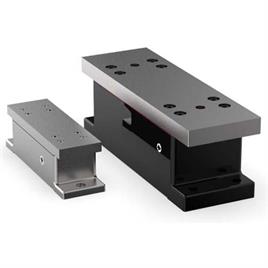
Compression Square Drive Torque Sensor
₹ 15,700
₹ 22,100
28.96% Off
Get Latest Price
Product Specifications
| Brand | Shivay Sensor |
| Material | Stainless Steel |
| Safe Torque | 150% |
| Sensitivity | 2 mv/v |
| Torque | 100Nm |
| Type | Compression |
| Ultimate Torque | 200% |
GST No - 24APGPC2288D1ZA | Member since 2024
SHED 45, R.K.INDUSTRIAL ESTATE, BHUVALDI ROAD, Kathwada, Ahmedabad, Ahmedabad, Gujarat, 382430
Looking for the latest Compression Square Drive Torque Sensor price in Ahmedabad? SHIVAY SENSOR, one of Ahmedabad's best Compression Square Drive Torque Sensor sellers & manufacturers, offers a wide Read More...
Product Details
Understanding Square Drive Reaction Torque Sensors
In the intricate world of engineering and manufacturing, the precise measurement of torque is paramount. Torque, a twisting force that causes rotation, plays a critical role in the performance, safety, and reliability of countless mechanical systems. From ensuring the correct tightening of a bolt in an aircraft engine to validating the output of a motor, accurate torque measurement is indispensable. Among the various types of torque sensors available, the square drive reaction torque sensor stands out for its robust design, high accuracy, and versatility, making it a cornerstone in numerous industrial and scientific applications.
What is a Square Drive Reaction Torque Sensor?
A square drive reaction torque sensor, often simply referred to as a reaction torque sensor with a square drive interface, is a specialized instrument designed to measure static or non-rotating torque. Unlike rotary torque sensors that measure torque on a rotating shaft, reaction torque sensors are mounted in a fixed position and measure the torque that reacts against a stationary object. The "square drive" refers to the common mechanical interface (like those found on socket wrenches) that allows for easy and secure connection to various tools, fixtures, or components. This design makes them ideal for applications where the torque is being applied to a non-rotating or intermittently rotating element, such as during fastening operations, product testing, or calibration.
The Working Principle: How Torque is Measured
The fundamental principle behind most reaction torque sensors, including the square drive type, relies on the strain gauge technology. A typical sensor consists of a precisely machined metal body, often made from high-strength steel or aluminum, designed to deform minutely when torque is applied.
Strategically bonded to this body are several electrical resistance strain gauges. These tiny sensors change their electrical resistance proportionally to the strain (deformation) they experience. When torque is applied to the sensor's square drive, the sensor body twists slightly. This twisting action causes some strain gauges to stretch (increasing resistance) and others to compress (decreasing resistance).
These strain gauges are typically wired together in a Wheatstone bridge configuration. This electrical circuit is highly sensitive to small changes in resistance. As the resistance of the strain gauges changes due to applied torque, the Wheatstone bridge becomes unbalanced, producing a small voltage output. This voltage is directly proportional to the applied torque.
The raw voltage signal from the Wheatstone bridge is then amplified and converted into a usable output, which can be an analog signal (e.g., 0-10V, 4-20mA) or a digital signal (e.g., via USB, Ethernet, or fieldbus protocols). Modern sensors often include integrated electronics for signal conditioning, temperature compensation, and digital conversion, providing a stable and accurate torque reading.
Key Features and Design Considerations
The design of a square drive reaction torque sensor emphasizes durability, precision, and ease of use.
Square Drive Interface: The most distinguishing feature is the square drive, which can come in various standard sizes (e.g., 1/4", 3/8", 1/2", 3/4", 1", etc.) to match common tooling. This ensures compatibility and secure mechanical coupling.
Non-Rotating Design: Unlike rotary sensors, these sensors are designed to be fixed. They measure the reaction torque, meaning the torque that attempts to twist the sensor's mounting point.
Robust Construction: Built to withstand harsh industrial environments, these sensors are typically made from hardened alloys, offering high stiffness and resistance to fatigue. They often feature robust housings and sealed electronics to protect against dust, moisture, and other contaminants.
Overload Protection: Many sensors incorporate mechanical stops or internal designs that provide a degree of overload protection, preventing damage if the applied torque exceeds the sensor's rated capacity.
Compact Footprint: Despite their robustness, many models are designed to be compact, allowing for integration into tight spaces or existing test setups.
Diverse Applications Across Industries
The versatility and accuracy of square drive reaction torque sensors make them indispensable in a wide array of industries and applications:
Manufacturing and Assembly:
Fastening Quality Control: Crucial for ensuring bolts, screws, and other fasteners are tightened to the correct specification, preventing under- or over-tightening which can lead to failures or material damage. Used in automotive, aerospace, electronics, and general assembly lines.
Tool Calibration: Calibrating torque wrenches, screwdrivers, and power tools to ensure they deliver accurate torque, vital for quality assurance.
Product Testing: Measuring the torque required to actuate switches, turn knobs, or operate components to ensure consistent product feel and functionality.
Automotive Industry:
Engine and Transmission Testing: Measuring the torque output of engines or the torque characteristics of transmissions during development and quality control.
Component Testing: Testing the torque required for steering systems, braking components, and other critical parts.
Aerospace and Defense:
Structural Testing: Measuring reaction forces and torques in airframe components, landing gear, and engine mounts to validate structural integrity.
Fastener Verification: Ensuring critical fasteners meet stringent torque specifications for flight safety.
Research and Development (R&D):
Material Testing: Characterizing the torsional properties of new materials.
Prototype Evaluation: Measuring torque in new designs and prototypes to optimize performance and efficiency.
Calibration Laboratories: Serving as primary or secondary standards for calibrating other torque measuring devices due to their high accuracy and stability.
Medical Devices: Testing the torque of surgical instruments or the rotational resistance of medical device components.
Significant Benefits of Using Square Drive Reaction Torque Sensors
Investing in high-quality square drive reaction torque sensors offers numerous advantages:
High Accuracy and Repeatability: These sensors provide highly precise and consistent torque measurements, which is critical for quality control, safety, and performance validation.
Enhanced Quality Control: By ensuring correct torque application, they help prevent manufacturing defects, product failures, and warranty claims.
Improved Safety: Accurate torque control in critical applications (e.g., aerospace, automotive) directly contributes to enhanced operational safety.
Durability and Robustness: Designed for demanding industrial environments, they offer a long service life and reliable performance, even under continuous use.
Ease of Integration: The standardized square drive interface simplifies mechanical integration into test rigs, assembly stations, and calibration setups.
Versatility: Capable of measuring a wide range of torque values, from very small to extremely large, making them suitable for diverse applications.
Cost-Effectiveness: While the initial investment may vary, the long-term benefits of reduced rework, fewer failures, and improved product quality often lead to significant cost savings.
Key Selection Criteria for Optimal Performance
Choosing the right square drive reaction torque sensor requires careful consideration of several factors to ensure it meets the specific requirements of your application:
Torque Range: Determine the minimum and maximum torque values you need to measure. Select a sensor whose rated capacity comfortably covers this range, ideally with some margin for unexpected peaks, but without being excessively oversized, which can compromise accuracy at lower torque values.
Accuracy and Linearity: These specifications indicate how close the sensor's readings are to the true value and how consistently it performs across its measurement range. Higher accuracy is crucial for critical applications.
Overload Protection: Check the sensor's safe overload and ultimate overload ratings. This indicates how much torque the sensor can withstand without permanent damage or failure.
Environmental Conditions: Consider the operating environment. Factors like temperature range, humidity, exposure to dust, water, or corrosive chemicals will influence the required IP rating (Ingress Protection) and material construction of the sensor.
Mounting Options: Ensure the sensor's physical dimensions and mounting holes are compatible with your existing setup or can be easily integrated.
Output Signal: Decide whether an analog (voltage, current) or digital (USB, RS-232, Ethernet, CAN) output is more suitable for your data acquisition system. Digital outputs often offer better noise immunity and direct computer interface.
Frequency Response: For dynamic or rapidly changing torque measurements, consider the sensor's frequency response, which indicates how quickly it can accurately respond to changes in torque.
Calibration Requirements: Understand the manufacturer's recommendations for calibration frequency and ensure access to accredited calibration services.
Installation, Calibration, and Maintenance
Proper installation is crucial for accurate measurements. The sensor should be mounted rigidly to a stable, non-yielding surface to prevent any extraneous forces or movements from affecting the torque reading. Ensure that the applied torque is purely rotational and that no side loads or bending moments are introduced, as these can lead to measurement errors or sensor damage. Using appropriate adapters and ensuring proper alignment with the component being tested are also vital.
Calibration is the process of comparing the sensor's output to known, traceable torque values. Regular calibration by an accredited laboratory is essential to maintain the sensor's accuracy and ensure the validity of your measurements. The frequency of calibration depends on the sensor's usage, environmental conditions, and the criticality of the application, but typically ranges from annually to every few years.
Maintenance primarily involves keeping the sensor clean and protected from physical damage. Regularly inspect the sensor body, cables, and connectors for any signs of wear, corrosion, or damage. Avoid exposing the sensor to excessive shock, vibration, or temperatures outside its specified operating range. Proper storage when not in use can also extend its lifespan.
Future Trends in Torque Measurement
The field of torque measurement is continuously evolving. Future trends for square drive reaction torque sensors may include:
Smarter Sensors: Increased integration of advanced electronics for enhanced signal processing, self-diagnostics, and onboard data logging.
Wireless Connectivity: More sensors offering wireless data transmission (e.g., Bluetooth, Wi-Fi) for greater flexibility and reduced cabling complexity.
IoT Integration: Seamless integration into Industrial Internet of Things (IIoT) ecosystems for real-time monitoring, predictive maintenance, and cloud-based data analytics.
Miniaturization: Development of smaller, more compact sensors without compromising accuracy or durability, enabling their use in increasingly confined spaces.
Enhanced Materials: Use of novel materials and manufacturing techniques (e.g., additive manufacturing) to create sensors with improved performance characteristics, such as higher stiffness-to-weight ratios or better temperature stability.
Conclusion
The square drive reaction torque sensor remains a vital tool in the arsenal of engineers, manufacturers, and researchers. Its ability to provide highly accurate and reliable measurements of static or reaction torque is fundamental to ensuring product quality, operational safety, and efficient processes across a multitude of industries. By understanding their working principles, diverse applications, and critical selection criteria, organizations can leverage these sophisticated instruments to optimize their operations, enhance product performance, and maintain the highest standards of quality and safety in an increasingly demanding technological landscape.

SHED 45, R.K.INDUSTRIAL ESTATE, BHUVALDI ROAD, Kathwada, Ahmedabad, Ahmedabad, Gujarat, 382430
Send your enquiry to supplier
Related Products

NRE 0.5 Nm To 50,000 Nm Force And Torque Sensor
₹ 1,00,000
| Brand : NRE |
| Sensitivity : 1.5+-0.5% mV/V |
| Temperature Range : -20 Deg C To +70 Deg C |
| Type : Static/Reaction/Rotary |

Flange Reaction Static Torque Sensor
₹
16,800
22,500
| Cable : Dia 6mm, length 2mtr |
| Country of Origin : Made in India |
| Material : Stainless Steel |
| Overload : 150% |

Stark Embsys Static Torque Sensor
₹ 38,999
| Material : Alloy Steel |
| Maximum Supply Voltage : 15V (DC/AC) |
| Model Number : SE-ST-F |
| Non-Linearity : +- 0.5% FS |

₹ 22,000
| Horsepower : 0.5 HP |
| Phase : Single Phase |
| Power : 0.55 KW |
| Speed : 960 rpm |

₹ 22,000
| Brand : Monad |
| Bridge Resistance : 350 ohm nom. |
| Compensated Temp : 15 to 70 C |
| Country of Origin : Made in India |

₹ 3,16,000
| Application : Torque Sensor |
| Availability : In Stock |
| Country of Origin : Made in India |
| Material : Alloy Steel |

₹ 50,000
| Material : Stainless Steel |


₹ 22,000
| Brand : Henobix |
| Excitation : 3-15V |
| Ingress protection : IP62 |
| Material of element : Aluminum alloy |
Customer Reviews
Submit your Reviews
Best Selling Products from Shivay Sensor

Compression Miniature Flange Force Transducer, Capacity: 100 kg
₹ 8,505
| Capacity : 100 kg |
| Force Type : Compression |
| material : Alloy Steel |
| Type : Compression |

₹ 1,111
| Accuracy Class : OIML R60 C3 |
| Application : Level Measurement |
| Ingress Protection : IP66 |
| Material : Alloy Steel |

Tank Weighing System, Capacity: 20kg To 200ton
₹ 20,505
| Accuracy : 0.01% FS |
| Automation Grade : Automatic |
| Capacity : 20Kg to 200Ton |
| Display Type : Segment red |

7 Segment Load Cell Indicator, For Industrial
₹ 6,800
| Brand : Shivay Sensor |
| Display Type : 7 Segment |
| Material : Mild Steel |
| Power : 230VAC |
Flange Reaction Static Torque Sensor
₹
16,800
22,500
| Cable : Dia 6mm, length 2mtr |
| Country of Origin : Made in India |
| Material : Stainless Steel |
| Overload : 150% |

₹ 51,000
| Cable : Dia 6mm, Length 2 mtr |
| Country of Origin : Made in India |
| Material : Stainless Steel |
| Overload : 150% |

Compression Reaction Torque Sensor
₹ 26,505
| Brand : Shivay Sensor |
| Grade : 304 |
| Load Capacity : 100 Kg |
| Material : Stainless Steel |
₹ 17,600
| Material : Alloy Steel |
| Modal : S-PB |
| Operating Temperature : upto 60C |
| Thickness : 50 |

₹ 15,500
| Country of Origin : Made in India |
| Load capacity : 10 tons to 50 tons |
| Material : Alloy Steel |
| Output : 2mv/v |

Compression Overhead Crane Load Cell
₹ 21,500
| Grade : 304 |
| Load capacity : 1 Ton |
| Material : Stainless Steel |
| Packaging Type : Box |

