

Home » Sensors & Transducers » Load Cell » Web Tension Load Cell

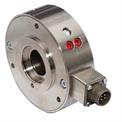


Web Tension Load Cell
₹ 15,500 Get Latest Price
Product Specifications
| Material | Alloy Steel |
| Ingress Protection | IP68 |
| Maximum Safe Overload | 150% FS |
| Output Sensitivity(FS) | 2.0 +/- 0.002 mV/V |
| Recommended Excitation Voltage | 5 to 12V DC |
| Type | Tension |
| Ultimate Safe Overload | 180% FS |
| Zero balance | +/- 1% FS |
GST No - 24APGPC2288D1ZA | Member since 2024
SHED 45, R.K.INDUSTRIAL ESTATE, BHUVALDI ROAD, Kathwada, Ahmedabad, Ahmedabad, Gujarat, 382430
Looking for the latest Web Tension Load Cell price in Ahmedabad? SHIVAY SENSOR, one of Ahmedabad's best Web Tension Load Cell sellers & manufacturers, offers a wide range of Web Tension Load Cell fr Read More...
Product Details
Comprehensive Guide to Web Tension Load Cells: Precision Control for Material Handling
In the fast-paced world of manufacturing and processing, industries that handle continuous sheets or webs of material – such as paper, film, foil, textiles, non-wovens, and printing substrates – face a critical challenge: maintaining consistent and precise web tension. Without accurate tension control, processes can suffer from a myriad of issues, including material breaks, wrinkles, misregistration, inconsistent product quality, and increased waste. This is where the web tension load cell becomes an indispensable component. Specifically designed to measure the pulling force (tension) exerted on a moving web, these specialized load cells are the unsung heroes behind smooth, efficient, and high-quality web-based production.
What is a Web Tension Load Cell?
A web tension load cell is a highly specialized type of force transducer engineered to accurately measure the tensile force (pulling force) within a continuous web of material as it moves through a machine. Unlike general-purpose load cells, web tension load cells are specifically designed for integration into web handling machinery, often by supporting a roller over which the web passes. The tension in the web exerts a force on this roller, and the load cell precisely measures this force, providing real-time feedback for tension control systems.
These load cells are crucial for maintaining consistent tension, which is vital for:
Preventing material breaks or stretching.
Ensuring precise registration in printing and laminating.
Controlling roll density during winding and unwinding.
Minimizing wrinkles, creases, and other web defects.
Optimizing machine speed and throughput.
The Core Principle: Strain Gauge Technology in Action
The fundamental principle behind the operation of web tension load cells, like many high-precision force sensors, is strain gauge technology. Here's how it translates web tension into a measurable electrical signal:
The Sensing Element (Flexure): Each web tension load cell contains a precisely machined metal body, often referred to as the "flexure" or "spring element." This element is typically made from high-grade aluminum or stainless steel, chosen for its excellent elastic properties, fatigue resistance, and stability. The flexure is designed with specific geometries that deform predictably and proportionally when subjected to the force exerted by the web tension.
Integration with a Roller: In a typical setup, the web tension load cell is mounted at one or both ends of a dancer roller or an idler roller (also known as a tension sensing roller). As the web passes over this roller, the tension in the web creates a resultant force vector that is transmitted through the roller's bearings to the load cell.
Strain Gauges: Strategically bonded to the surface of the flexure are several electrical resistance strain gauges. These miniature sensors are essentially thin metallic foils whose electrical resistance changes proportionally to the mechanical strain (deformation) they experience. When the web tension applies force to the roller, causing the flexure to deform, some strain gauges stretch (increasing their resistance) while others compress (decreasing their resistance).
Wheatstone Bridge Configuration: The strain gauges are interconnected in a Wheatstone bridge circuit. This highly sensitive electrical configuration is exceptionally adept at detecting even minute changes in resistance. As the resistance of the strain gauges changes due to the applied force, the Wheatstone bridge becomes unbalanced, producing a small differential voltage output. This voltage is directly proportional to the magnitude of the web tension.
Signal Conditioning: The raw voltage signal from the Wheatstone bridge is typically very small and susceptible to electrical noise. Therefore, modern web tension load cells usually incorporate integrated electronics for signal conditioning. This involves amplifying the signal, filtering out unwanted noise, and compensating for temperature variations (which can affect strain gauge resistance). The conditioned analog signal (e.g.,
, ) is then often converted into a stable, calibrated digital output (e.g., via Ethernet/IP, EtherCAT, PROFINET, or a proprietary bus) for seamless integration with a tension controller or a PLC (Programmable Logic Controller). The tension controller then uses this feedback to adjust motors, brakes, or clutches to maintain the desired web tension.
Key Features and Design Considerations
Web tension load cells are distinctively designed to meet the specific demands of web handling applications:
Roller Integration: Designed to be mounted at the ends of a tension sensing roller, often with specific mounting holes and configurations (e.g., cantilever, pillow block, or through-hole designs) to accommodate various roller types and machine frames.
High Sensitivity: Capable of detecting very small changes in tension, crucial for maintaining tight control over delicate materials or high-speed processes.
Low Friction: Engineered to minimize friction within the roller bearings and the load cell itself, ensuring that the measured force accurately reflects the true web tension.
Robust Construction: Built to withstand the continuous operation and often harsh conditions of industrial environments. They are typically made from durable materials like aluminum or stainless steel and often feature high IP (Ingress Protection) ratings to protect against dust, moisture, and other contaminants.
Overload Protection: Many models incorporate mechanical stops or robust internal designs that provide a significant margin of safety against accidental overloads (e.g., during web threading or material jams), protecting the sensitive sensing element from permanent damage.
Temperature Compensation: Integrated electronics often include active temperature compensation, minimizing the impact of temperature fluctuations on measurement accuracy, which is vital for consistent performance in varying plant conditions.
Compact Design: While supporting a roller, the load cell itself is often designed to be as compact as possible to fit into existing machine designs.
Dual-Sided Measurement: Often, two load cells are used, one at each end of the roller, to provide a more accurate total tension measurement and to detect any tension imbalances across the web width.
Diverse Applications Across Industries
The precise control offered by web tension load cells makes them indispensable in a wide array of industries that process continuous materials:
Printing Industry:
Flexographic, Gravure, and Offset Printing: Essential for maintaining consistent tension to ensure precise color registration, prevent web breaks, and control ink transfer.
Digital Printing: Critical for handling delicate substrates and ensuring smooth feeding.
Packaging and Converting:
Film Extrusion: Controlling tension during the production of plastic films.
Laminating and Coating: Ensuring wrinkle-free lamination and uniform coating thickness.
Slitting and Rewinding: Crucial for producing tightly wound, uniform rolls without telescoping or dishing.
Bag Making: Maintaining consistent material feed for accurate cutting and sealing.
Paper Industry:
Paper Mills: Monitoring tension during various stages of paper production, from pulp to finished rolls.
Corrugated Board Production: Controlling tension for precise layering and bonding.
Textile and Non-Woven Industries:
Fabric Production: Ensuring consistent tension during weaving, knitting, dyeing, and finishing processes to prevent material distortion.
Non-Woven Manufacturing: Critical for uniform product density and integrity.
Metal Processing:
Coil Processing: Measuring tension in metal strips during slitting, annealing, and coating operations.
Battery Production:
Electrode Coating and Slitting: Maintaining precise tension for consistent coating thickness and accurate cutting of battery materials.
Other Specialized Applications:
Wire and Cable Manufacturing: Controlling tension during winding and unwinding processes.
Medical Device Manufacturing: Handling delicate films and membranes for sterile packaging or device components.
Significant Benefits of Implementing Web Tension Load Cells
Integrating web tension load cells into production lines offers substantial advantages:
Superior Product Quality: Consistent tension control eliminates defects like wrinkles, misregistration, and inconsistent thickness, leading to higher quality finished products.
Reduced Material Waste: Preventing web breaks, stretching, and other material damage significantly reduces scrap and material costs.
Increased Production Efficiency: Smooth web handling allows for higher machine speeds and reduced downtime due to material issues, boosting throughput.
Enhanced Machine Performance: Optimizes the operation of brakes, clutches, and motors, leading to more stable and predictable machine behavior.
Improved Process Control: Provides real-time feedback to tension control systems, enabling immediate adjustments and proactive problem-solving.
Longer Equipment Lifespan: By preventing excessive tension, load cells help reduce wear and tear on rollers, bearings, and other machine components.
Operator Safety: Reduces the need for manual intervention to fix web issues, improving operator safety.
Data for Optimization: Provides valuable data for process analysis, optimization, and troubleshooting.
Key Criteria for Optimal Sensor Selection
Choosing the correct web tension load cell is paramount for achieving accurate control and maximizing operational efficiency. Consider these critical factors:
Tension Range (Rated Load): Determine the minimum and maximum web tension forces you need to measure. Select a load cell whose rated capacity comfortably covers this range, ideally with some margin for operational peaks, but without being excessively oversized, which can compromise accuracy at lower tension values.
Roller Diameter and Weight: The load cell's capacity must account for both the web tension force and the weight of the roller it supports. Manufacturers often provide guidelines for calculating the required load cell capacity based on these factors.
Mounting Configuration: Web tension load cells come in various mounting styles (e.g., cantilever, pillow block, through-hole). Ensure the chosen style is compatible with your machine's frame and roller shaft.
Accuracy and Linearity: These specifications indicate how close the sensor's readings are to the true value and how consistently it performs across its measurement range. Higher accuracy is crucial for demanding applications like multi-color printing.
Environmental Conditions (IP Rating): Assess the operating environment. Factors like temperature range, humidity, exposure to dust, water, or corrosive chemicals will dictate the required IP (Ingress Protection) rating and material construction (e.g., stainless steel for washdown or harsh chemical environments).
Output Signal: Decide whether an analog output (voltage or current) or a digital output (e.g., USB, RS-232, Ethernet, CAN) is more suitable for your tension controller or data acquisition system. Digital outputs often offer better noise immunity.
Frequency Response: For high-speed web lines or processes with rapid tension changes, consider the load cell's frequency response, which indicates how quickly it can accurately respond to fluctuations in tension.
Shaft Diameter and Bearing Type: Ensure compatibility with the roller's shaft diameter and the type of bearings used.
Calibration Requirements: Understand the manufacturer's recommendations for calibration frequency and ensure access to accredited calibration services to maintain accuracy over time.
Installation, Calibration, and Maintenance Best Practices
Proper installation is critical for the accurate and reliable performance of web tension load cells. The load cell must be mounted rigidly and precisely, ensuring that the tension sensing roller is perfectly aligned and level. Any misalignment, uneven loading, or external forces (like bending moments or side loads) can introduce significant errors into the tension measurement. Following the manufacturer's detailed installation instructions, including torque specifications for mounting bolts, is essential.
Calibration is a crucial process to maintain the accuracy and trustworthiness of your web tension measurements. It involves comparing the load cell's output to known, traceable force values. Regular calibration by an accredited laboratory is vital to ensure that the load cell continues to provide valid and precise readings over its operational life. The frequency of calibration depends on the sensor's usage intensity, the severity of its operating environment, and the criticality of the application, but it is commonly recommended annually or biennially.
Maintenance for web tension load cells primarily involves keeping them clean and protected from physical damage. Regularly inspect the load cell body, its mounting points, electrical cables, and connectors for any signs of wear, corrosion, or damage. Ensure that the roller bearings are well-maintained and free-running, as friction in the bearings can directly impact measurement accuracy. Always operate the load cell within its specified temperature range and avoid exposure to harsh chemicals unless the load cell is specifically designed for such conditions. Proper storage in a controlled environment when not in use can significantly extend its operational lifespan and preserve its accuracy.
Future Trends in Web Tension Control
The field of web tension control is continuously evolving, driven by the demand for higher speeds, greater precision, and increased automation. Future trends for web tension load cells and related systems may include:
Smarter, Integrated Sensors: Load cells with more advanced onboard electronics for enhanced signal processing, self-diagnostics, predictive maintenance capabilities, and direct digital communication protocols, reducing the need for external amplifiers or controllers.
Wireless Connectivity: Increased adoption of wireless data transmission (e.g., Bluetooth, Wi-Fi, industrial wireless protocols) for greater flexibility in machine design, easier retrofitting, and remote monitoring.
IIoT and Cloud Integration: Seamless integration into Industrial Internet of Things (IIoT) ecosystems, allowing for real-time data streaming to cloud platforms for advanced analytics, machine learning-driven process optimization, and remote troubleshooting.
Miniaturization and Higher Performance: Development of even smaller, more robust load cells that can handle higher tensions or operate in more extreme environments without compromising accuracy.
Advanced Materials and Manufacturing: Exploration of novel materials and additive manufacturing techniques to produce load cells with improved characteristics, such as enhanced temperature stability, higher fatigue resistance, or lighter weight.
Predictive Control Algorithms: Integration of AI and machine learning into tension control systems, using historical data from load cells to predict and proactively adjust tension, minimizing deviations before they impact product quality.
Conclusion
The web tension load cell is a cornerstone technology for any industry involved in the processing of continuous web materials. Its ability to provide highly accurate, real-time feedback on web tension is critical for ensuring product quality, minimizing waste, and maximizing production efficiency. By understanding their working principles, diverse applications, and the key factors for selection and maintenance, manufacturers can effectively leverage these sophisticated instruments to achieve unparalleled control over their web handling processes, ultimately leading to superior products and more profitable operations in a competitive global market.

SHED 45, R.K.INDUSTRIAL ESTATE, BHUVALDI ROAD, Kathwada, Ahmedabad, Ahmedabad, Gujarat, 382430
Send your enquiry to supplier
Related Products

Spectrum Technology Three Axis Load Cell Capacity 10kg, For Industrial
₹ 65,000
| Availability : In Stock |
| Brand : Spectrum Technology |
| Load Capacity : 10kg |
| Usage/Application : Industrial |

₹ 1,500
| CE Certified : Yes |
| Load Capacity : 1760 Kg (HLC3) |
| Packaging Type : Box |
| Product Code : 30628062 |

Stainless Steel Digital Calibration Equipment, For Laboratory, Model Name/Number: Electric
₹ 1,11,000
| Brand : Kelvin |
| Country of Origin : Made in India |
| Display Type : Digital |
| Material : Stainless Steel |

₹ 4,600
| Application : Tank & Vessel Weighing |
| Availability : In Stock |
| Brand : ADI |
| Capacity : 1 Ton |

Universal Pancake Load Cell, 100 Kg-50 Ton
₹ 7,000
| Application : Industrial |
| Capacity : 100 Kg-50 Ton |
| Compensated Temperature Range : -10 to +40 Deg C |
| Material : Stainless Steel |

₹ 5,000
| Application : Electrical Industry |
| Frequency : 50 Hz |
| Ingress Protection : IP64 |
| Material : Stainless Steel |


Shear Beam Type Load Cell, 150kg
₹ 7,100
| Application : Pallet Truck Scales |
| Capacity : 150kg |
| Ingress Protection : IP68 |
| Material : Stainless Steel |

Robust Round Digital Load Cell, For Weigh Bridge
₹ 11,000
| Country of Origin : Made in India |
| Design : Robust |
| Material : Stainless Steel |
| Operating Temperature : 120 Degree Celsius |

High Nickle Alloy Steel K2 Crane Load Cell, For Gantry
₹ 15,000
| Brand : K2 |
| Material : High Nickle Alloy Steel |
| Maximum Excitation Voltage : 8 VDC |
| Nominal Sensitivity : 1 mv/v |
Customer Reviews
Submit your Reviews
Best Selling Products from Shivay Sensor

Compression Miniature Flange Force Transducer, Capacity: 100 kg
₹ 8,505
| Capacity : 100 kg |
| Force Type : Compression |
| material : Alloy Steel |
| Type : Compression |

₹ 1,111
| Accuracy Class : OIML R60 C3 |
| Application : Level Measurement |
| Ingress Protection : IP66 |
| Material : Alloy Steel |

Tank Weighing System, Capacity: 20kg To 200ton
₹ 20,505
| Accuracy : 0.01% FS |
| Automation Grade : Automatic |
| Capacity : 20Kg to 200Ton |
| Display Type : Segment red |

7 Segment Load Cell Indicator, For Industrial
₹ 6,800
| Brand : Shivay Sensor |
| Display Type : 7 Segment |
| Material : Mild Steel |
| Power : 230VAC |

Compression Square Drive Torque Sensor
₹
15,700
22,100
| Brand : Shivay Sensor |
| Material : Stainless Steel |
| Safe Torque : 150% |
| Sensitivity : 2 mv/v |

Flange Reaction Static Torque Sensor
₹
16,800
22,500
| Cable : Dia 6mm, length 2mtr |
| Country of Origin : Made in India |
| Material : Stainless Steel |
| Overload : 150% |

₹ 51,000
| Cable : Dia 6mm, Length 2 mtr |
| Country of Origin : Made in India |
| Material : Stainless Steel |
| Overload : 150% |

Compression Reaction Torque Sensor
₹ 26,505
| Brand : Shivay Sensor |
| Grade : 304 |
| Load Capacity : 100 Kg |
| Material : Stainless Steel |
₹ 17,600
| Material : Alloy Steel |
| Modal : S-PB |
| Operating Temperature : upto 60C |
| Thickness : 50 |

₹ 15,500
| Country of Origin : Made in India |
| Load capacity : 10 tons to 50 tons |
| Material : Alloy Steel |
| Output : 2mv/v |

