

Home » Swimming Pool & Water Sports Goods » PVC Swimming Pool
PVC Swimming Pool
(27 products available)A PVC swimming pool is a pool built mostly with polyvinyl chloride. This is a plastic material that resists water, chemicals, and with sun rays - it holds up well and bends easily. Pools like this come in many forms. Some are inflatable, while others stand above ground with PVC frames plus liners. Some are semi-permanent structures that use reinforced PVC panels. PVC helps these pools stay light, so they are simple to put together. People can move them easily—this offers a good, sensible choice for homes, short events, or places where a permanent pool does not work. PVC swimming pools sell well because they install fast and need little groundwork. For instance, you can set up inflatable PVC pools and also add water in a few hours. Rigid-frame models that have PVC liners give a more steady and lasting answer for use over seasons or many years. The flat, sealed surface of PVC cleans with ease and needs little care. That lowers the chance of algae and bacteria growing. Many PVC pools include items such as filters and pumps as well as covers—these help keep users safe, plus the water clean. These pools suit many people, from children and families to adults looking for a cool spot in their yard. The pools bend easily and also cost less, which makes them a good pick for those who want to swim; they do not have the high cost and long building time connected with regular in ground pools. Material science now offers better PVC, which means PVC swimming pools hold up longer and look better in addition to harm the Earth less. They fit well as well as feel good in outdoor areas. Browse a wide range of PVC swimming pool at AAJJO and grab the best deal today! Read more
PVC Swimming Pool Products, Price, Specifications & Features

PVC Outdoor Oval Shaped Swimming Pools
₹ 1,200 /Square Feet
Get Best Price| Availability : In Stock |
| Colour : Blue |
| Installation : Above-ground, easy setup |
| Minimum Order : 1 Unit ? |


₹ 1,200

₹ 1,200
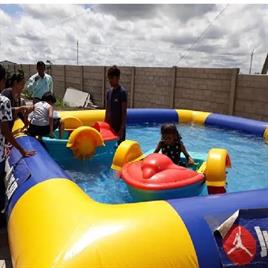
Pvc Water Pool
₹ 60,000
Get Best Price| Color : MULTI COLOR |
| Dimension : 15/15 FEET |
| Height : 2FT |
| Material : PVC |


Blue LY017014NG Round Pool
₹ 68,093
Get Best Price| Brand : ACL |
| Color : Blue |
| Model Name/Number : LY017014NG |
| Shape : Round |


Sky Blue PVC Kids Swimming Pool, For Hotels/Resorts
₹ 2,60,000
Get Best Price| Color : Sky Blue |
| Country of Origin : Made in India |
| Material : PVC |
| Pool Type : Outdoor |


Share Your Requirements
For a Quick response, Please fill up the details below.


Banke Inflatables Blue Kids Inflatable Swimming Pool, For School, 20 X 20 X 2 Feet
₹ 55,000
Get Best Price| Color : Blue |
| Country of Origin : Made in India |
| Dimension : 20 x 20 x 2 Feet |
| Material : PVC |

Swimming Pool
₹ 3,00,000
Get Best Price| Breadth : 10 Feet |
| Length : 30 Feet |
| Model : Swimming Pool |
| Pool Type : Outdoor |


Blue Outdoor PVC Swimming Pool, For Amusement Park
₹ 70,000
Get Best Price| 15/15 fit : 18 Inch |
| Color : Blue |
| Material : PVC |
| Pool Type : Outdoor |


Swimming Pool
₹ 3,56,000
Get Best Price| Application : Hotels/Resorts, Amusement Park, Residential |
| Dimension : customised |
| Height : customised |
| Model : Swimming Pool |

Residential Swimming Pool
₹ 7,00,000
Get Best Price| Color : Sky Blue |
| Dimension (Length X Breadth) : 25 ft x 12 ft |
| Material : PVC |
| Model : Residential Swimming Pool |

₹ 9,00,000

Swimming Pool Designers Consultant
₹ 1,380 /Square Feet
Get Best Price| Build Up Area / Size : 15' X 30' min |
| Industry : Construction |
| Model : Swimming Pool Designers Consultant |
| Type Of Construction : Residential |


Blue PVC Portable Swimming Pools, For Residential
₹ 8,00,000
Get Best Price| Colors Available : Blue |
| Material : PVC |
| Model : Blue PVC Portable Swimming Pools, For Residential |
| Pool Type : Outdoor |

Swimming Pool
₹ 4,00,000 4,50,000 11.00% Off
Get Best Price| Dimension : 6x3x1.4 |
| Material : fiberglass |
| Model : Swimming Pool |
| Pool Type : rectangular |

Ernakulam, Kerala
Top PVC Swimming Pool Manufacturer and Supplier
Frequently Asked Questions about PVC Swimming Pool
How long do PVC pools last?
PVC pools, especially those featuring vinyl, usually endure for 6 to 12 years. With correct upkeep, certain liners might last up to 15 years or even longer. How long a PVC pool lasts relies significantly on the liner's grade and how well someone maintains it. Routine cleaning correct water balance and avoiding pointed items aid in lengthening the liner's life. It is vital to change the liner when needed, since deterioration from sunlight plus chemicals might make it break or lose color over time. Superior liners may give improved resistance plus could possibly endure for a longer duration. In general even though PVC pools may not endure as long as concrete or fiberglass choices, they still can offer many pleasant years if someone cares for them correctly.
Is chlorine bad for PVC?
Chlorine usually poses no risk to PVC materials, particularly when utilized in pools. PVC, also known as polyvinyl chloride, features a structure which gives natural defense against chlorine and its destructive attributes. This signifies that PVC pipes and liners are able to endure contact with chlorine without marked decline over a period. Incorrect handling or extreme chlorine quantities can create problems. As an illustration should chlorine combine with acids or if water has a diminished pH, conditions develop which could hurt the substance. Direct employment of chlorine tablets in skimmers may trigger specific harm because of focused contact. To guarantee PVC endures in a pool situation, maintaining suitable water composition plus adhering to instructions for chemical employment proves vital. In general given correct attention, PVC pools handle chlorine securely without substantial difficulties.
How long does a plastic swimming pool last?
A plastic swimming pool, those with vinyl liners, usually lasts for 6 to 12 years. With suitable upkeep some liners can last up to 15 years or more. The real length depends on different things, like the liner's quality, pool usage, in addition to water chemistry monitoring. Regular cleaning and upkeep are key to extend a plastic pool's time span. Avoiding sharp items and keeping balanced chemical levels can stop damage. Things such as sunlight and weather can alter how long the pool will endure. Plastic pools might not endure like concrete or fiberglass but they still can provide many good years if cared for properly.
How long do PVC pool pipes last?
PVC pipes used for pools feature robustness and have considerable lifespans, generally around 50 to 100 years if conditions are optimal. The precise period depends on different aspects, such as the quality of the PVC material, how it was installed next to the surrounding conditions. Stiff PVC options, frequently selected for pool systems, demonstrate strong resistance to both decay and harm from chemicals, which makes them a solid pick. Aspects such as the soil's composition, temp changes along with contact with solar light can affect their duration. For example pipes placed underground will sometimes last longer than the parts open to rough weather. Regular upkeep plus checks will aid in locating problems at a stage when repair is easier, confirming that pipes stay sound. To sum up with the right care at the start, PVC pool pipes will give reliable work for many years.
What is the average life of a swimming pool?
The lifespan of a pool changes based on its type and upkeep. Vinyl liner models usually endure from 6 to 15 years, while fiberglass builds may endure close to 30 years or more. Concrete builds recognized for strength, may go beyond 50 years if care is proper. Elements that affect how long a pool will last are build quality, routine upkeep next to outside conditions. For example frequent cleaning plus balanced water may make any pool type last. Above-ground pools often have a shorter life, usually 7 to 15 years, depending on the structure plus care given. To summarize with good upkeep besides detail work, pools can be used for years, which make them a sound choice for owners.
What is the best pool for longevity?
Concrete pools frequently are a resilient option. They may persist for fifty years if adequate upkeep happens; this places them among the firmest choices. Their construction lets them withstand heavy usage and severe environments, reducing chances of harm. Fiberglass pools also provide decent resilience, commonly continuing roughly thirty years. These could require more maintenance as fissures might arise. Vinyl liner pools feature the briefest expected life span, generally from six to fifteen years, as their liners require changes at defined periods. Concrete pools involve a degree of attention, such as resurfacing at regular intervals plus consistent cleaning to limit organism accumulation. Despite this attention, strength plus adaptable choices render these pools an appealing solution if a person wants a long-lasting pool.
What PVC is used for pools?
Rigid PVC, namely Schedule 40, constitutes the usual PVC variety for pools. People know this pipe class for its robustness besides endurance, which makes it well-suited to swimming pool plumbing. Schedule 40 PVC pipes address the demands of circulation, filtration as well as heating of water with success. CPVC provides another choice; it withstands greater heat and is often utilized where temperature increases. Flexible PVC is available as well, allowing for easier installation in small spaces but its strength typically lessens compared to firm PVC. Using the correct PVC is crucial to maintain water state besides ensure system longevity. Firm PVC remains the typical selection for pool constructions because of its reliability and value.
Are PVC pools safe?
Using a PVC pool is generally safe with proper use. PVC stands for polyvinyl chloride. It is a strong plastic material. It is also flexible and durable. Most inflatable pools are made from PVC. Many above-ground pools use PVC too. The material is water-resistant. It can handle pressure and rough use. This makes it perfect for domestic pools. It is a good material for pools, as, as the name implies, it is moisture and impact resistant.PVC pools cause fewer injuries, as most of them are smooth and soft. They are very easy to assemble and disassemble. They are easily portable from one place to another. Usually, both children and adults can find these pools safe. The crucial issue is how individuals should handle their safety; always watch them when swimming and never leave them alone for even a moment.Position the pool on a flat surface, with nothing sharp anywhere around that might damage it. Regular checks of fresh water are necessary for use. Apply proper pool chemicals if needed to maintain water safety and the prevention of germs.There are always concerns associated with the chemicals found in PVC. In general, very high-grade PVC that is safe for pool making does not give off toxic by-products during normal use. Spelling out except during very harsh cleaning agents or exposure to unnecessarily high temperatures, however.In essence, there is not much to worry about where PVC pools being used at home are concerned. Regular care and supervision would ensure this pool kept everyone entertained and relaxed on hot days.
How to clean a PVC pool?
PVC pools are easy to clean when one regularly does that. First, collect leaves or dirt halves with a net. The task needs to be done daily for buildup prevention. Clean the bottom with a pump vacuum. It removes sand, dust, and small debris.Next, check the water. Change it if cloudy or dirty. For very big PVC pools, you can add the safe pool chemical. Always following package directions, add chlorine pills or liquid as germicides. Look at the water with a pool test kit. If called for, adjust the pH to fall between 7.2 and 7.8.As you clean, use a soft brush or sponge. Watch not to scratch the surface of the pool. Stronger chemicals and sharp objects should never be used since they will compromise the PVC surface. Mild soap and water go nicely together. Carefully scrub the stain or algae. Following cleansing, rinse with fresh water.Clean the filter of your pool if it features one. For optimal cleaning, do that weekly always. Check it every week for tears or holes. A repair kit needs to be used if the damage requires repair.After cleaning, leave the pool covered for the time that it is not being used. It helps in keeping the water clean for a longer period. Regular cleaning makes the PVC pools safe and fresh, ready for fun, all summer.
What is best PVC for pool?
Reinforced or heavy-duty PVC is the ideal sort of PVC for pools. It's robust, thick, and long. Triple-layered PVC has become the preferred material for the better-quality inflatable pools or above-ground pools. This consists of two outer layers made of PVC with a middle layer of mesh. As such, this kind offers more resistance against wear and strain.An alternative excellent choice is UV-protected PVC. The substitute is more suited for sunshine. This helps to stop the stuff from fading or splitting too fast. Placed outside, UV-treated PVC helps to extend the pool's lifetime. PVC-coated polyester fabric is yet another great choice. It is flexible but strong. It hardly tears and is smooth and gentle to touch. Go for PVC devoid of phthalates and BPA. Kids and adults would find it safer. These products release no dangerous chemicals into the water. The best PVC for pool purposes should be anywhere between 0.4 and 0.6 mm thick. Thick PVC means more strength and durability. It withstands air pressure and water pressure nicely. Also, branded pools from Intex or Bestway, for example, often use high-quality PVC. The material is tested for safety and performance.Selecting the correct PVC means that your pool will be fun for many seasons, robust, and safe. Before you buy, always review specifics about the product.
What size PVC for pool?
Pool PVC is available in various sizes according to its applications, be it in pool plumbing, liners, or inflatable structures. Pool plumbing uses PVC pipes for most water-blowing and drawing with the pool.For the most common sizes, one and a half or two inches in diameter are used. While large pools or commercial systems may choose two-and-a-half- or three-inch pipes, small-sized pools could choose smaller pipes of 1 inch. The size is determined overall by the water flow of the pool, pump, and filter. Mostly there are two types of pool PVC pipes: Schedule 40 and Schedule 80. Most residential pools find Schedule 40 to be the norm and applicable. White in hue, it is readily apparent. Comparatively to Schedule 40 pipes, Schedule 80 pipes are thicker and stronger. Usually found in high-pressure systems, they have a grey hue.Regarding pool liners or inflatable pools, PVC sheet or liner measurement is expressed in millimetres. Pool type affects the common thickness, which ranges from 0.3 mm to 1.5 mm. In the case of heavy-duty or in-ground pool liners, heavy-duty thick PVC is utilised.Your pool design and needs will always determine the proper choice for size. Correct sizing for PVC guarantees safety and efficiency for the pool system, preserves water flow, and helps to minimise leaks.
How long does a PVC pool last?
If properly maintained, a PVC swimming pool may last several years. Broadly speaking, a PVC pool will last three to seven years; this, of course, depends on the quality of the material and how often it is used. Pools constructed of good-quality PVC stand the test of time. Thicker material makes the pool more durable and resistant to damage.Weather also plays a part. For example, the sun, rain, or heavy winds can wear down a pool more quickly. Shaded or sheltered areas are best for the pool. Always make sure to set your pool on a clean, flat surface. Sharp objects or stones can tear the bottom.The most important factor is cleaning. Dirt and chemicals over time occasionally compromise PVC material. While strong cleaners and scrubbers could damage the surface, mild soap and a sensitive cloth will help you clean objects.Every time the pool is not in use, one should fold it and safely save it. It has to be completely dry before folding. Maintaining it in a cold, dry environment eliminates any area where mould or cracks could find residence.Look for tiny holes or leaks. Such little damage can be corrected with a repair kit, so extending the pool's lifetime.Many summers of enjoyment in your PVC pool are ahead of you; a little tender loving care will help greatly. The PVC pool will survive that little bit longer depending on regular cleaning, safe storage, and careful handling.
How Long Do Vinyl Liner Pools Last?
With good maintenance, vinyl liner pools can last for many years. Vinyl liners usually last between 7 to 10 years, with some instances working well beyond that. The structure of the pool, which is often made of steel or polymer, can last 20 to 30 years or more. The liner's life span depends on different factors. This may include sunlight, pool chemicals, and water balance. Excess chlorine or a pH that is unbalanced speeds damage. Over time, the sun's beam might fade and weaken the liner. The liner's lifetime is extended with routine maintenance. Using a pool cover when the pool is not in use shields the liner from sun damage and trash by maintaining the water clean and the chemical levels balanced.Sharp things should not be floating in the pool. Hard-corner toys or instruments most likely cause tears or punctures. Softly brush or cloth the lining to clean it.Small leaks or wrinkles call for timely repairs to prevent any annoyance from getting more severe. The liner will surely wear out and need replacing after a given period of time. The new liner would once more give the pool an almost brand-new appearance and feel. Vinyl liner pools guarantee great fun for many years with correct upkeep.
What is the minimum depth of PVC for a swimming pool?
Swimming pool PVC liner thickness is determined by pool type and use. Most small inflatable or above-ground pools should have PVC that is 0.3 mm to 0.5 mm thick. That will suffice for light use – a small family pool for kids, really. Holds water well, and only small punctures happen when it is damaged.For larger pools with heavy use, a thickness of at least 0.6 mm or more is better. Thicker PVC holds more pressure and wears longer than thinner ones. Stronger material is needed for pools used by adults or for swimming. Reinforced three-layer PVC liners provide the answer. Their thickness is between 0.6 mm and 1 mm.PVC membrane liners are most commonly used for in-ground or professional swimming pools. They are much thicker and more durable. The standard minimum is around 1.5 mm. Those liners are intended for permanent use and heavy traffic.Thicker PVC will also help keep pools leak-free, not sagging and tearing. Choose the suitable thickness based on the pool itself and subsequently its intended usage.Though typical swimming pools should utilise 0.5 mm or more for safety and durability, 0.3 mm is the minimum generally.
Can you paint PVC pool liner?
You may paint PVC pool liners, but it is not recommended. Soft plastic makes up PVC liners, which poor paint retention quality. The paint can eventually flake or break if it does not cling effectively to the material. This will leave the exposed surface from rain, sun, and weather to peel off the paint where it has adhered to such a smooth and slippery surface.PVC liners are smooth and slippery. Paint would have difficulty staying in place. Plus, PVC expands and contracts with temperature changes – the reason the paint bonding breaks and peels over time.If the appearance at the bottom was the concern with considering a paint job, then getting the liner replaced would certainly be a favourable solution. Along with offering a pool-fresh look, a new liner would present safety as well. Liners are also made with an impressive array of colours and patterns. The new liner, accompanied by fresh-looking water, will give you a feeling of hope and gladness.While some say some paints might be compatible with plastics, others could find flexible liners challenging. Such coatings might contaminate the pool with harmful heavy-metal particles even if they just marginally adhere to the fragile PVC liner.At last, painting a PVC pool liner is a poor decision since it will not hold up and could destroy the liner. Conversely, selecting a new liner presents far less danger and much greater long-term advantages.
Related Product Types
RCC Swimming Pool | Swimming Pool Ladders | Swimming Fountain | Swimming Pool Filter | Aeration Tube | Swimming Pool Skimmer | Swimming Pool Light | Swimming Pool Telescopic Pole | Swimming Pool Nozzle | Diving Board | Swimming Pool Kickboard | Swimming Pool Suction Sweeper | Jacuzzi Jet System | Trichloroisocyanuric Acid Tablet | Sodium Dichloroisocyanurate | Algaecides Chemical | Swimming Pool Toys | Swimming Pool Cartridge Filter | Water Floating Bed | Deck Chair | Water Floater | Inflatable Lounge | Swimming Goggles | Swimming Arm Band | Windsurfing Equipment | Swimming Snorkel | Hand Paddle | Swimming Pool Liners | Commercial Diving Helmets | Scuba Cylinders | Swimming Pool Drain | Pool Hose | Swim Tubes | Pool Umbrella | Steel Swimming Pool Handrail | Pool Testing Kits | Kids Swimming Pool | Swimming Pool Quantum | Swimming Pool Wall Return | swimming pool tee fittings body | Swimming Pool Thermometer | Leaf Control Pool | Swimming pool Stainless steel hair | False Start Indicator | Swimming Earplugs | Swimming Fin | Swimming Pool Vinyl Liners | Swimming Caps | Pool Floating Chair | Pool Lounge Chair | Swimming Pool Chlorinator | Pool Racing Lane | Multi Cyclone Stand | Spa Fitting | Swimming Pool Heater | Concrete Pool | Massage Bathtub | Acrylic Bathtubs | Swimming Pool Filtration Systems | Swimming Pool Mats | Swimming Pool Gratings | Swimming Pool Generator | Pool Lane Divider | Pool Heating System | Swimming Pool Cleaners | Swimming Pool Cover | Pool Podium | Swimming Pool Slides | Poolside Furniture | Counter Current System | STONE BATHTUB | Transparent Bathtub | ACRYLIC GLASS SWIMMING POOL | Outdoor Spa Tub | Oval Shaped Swimming Pools | Robot Pool Cleaner | Water Descent | Swimming Pool Algaecide | Swimming Pool Heat Pump | Swimming Pool Floor Inlet | Lifeguard Chair | Water Polo Goal Post | Endless Pool | Swimming Pool Pump | Swimming Pool Valve | Swimming Pool Filtration Plant | Swimming Pool Liner | Water Sports Equipment | Swimming Pool Chemical | Portable Swimming Pool | Swimming Suit | Jacuzzi Bathtub | Spa Pool | Hot Tubs | Rigid Inflatable Boat | Water Ball | Inflatable Swimming Pool | FRP Swimming Pool | Inflatable Pool Float | Readymade Swimming Pool | Sodium Bicarbonate | Prefab Swimming Pool | Hydrotherapy Swimming Pool
Related Categories
Kids, Racing Bicycles and Rickshaws | Fun Parks & Amusement Park Equipment | Arcade, Game Consoles & Accessories | Kids Ride On, Toy Gun & Battery Cars | Table Sports & Board Games | Camping, Fishing & Hunting Goods | Team Sports Goods & Supplies | Sports Wear & Athletic Accessories | Soft Toy, Action Figures & Dolls | Track & Field Equipment | Gymnastics & Aerobics | Kids Play & Educational Toys | Adventure Sporting & Trekking Goods | Racquet Sports Accessories & Equipment | Boxing and Martial Arts Goods | Sports Training Aids & Equipments

