

Home » Welding, Rods, Electrodes & Wires » Gas Cutting Machine
Gas Cutting Machine
(55 products available)A gas cutting machine, also termed an oxy-fuel cutting machine, is an industrial instrument made to sever metal sheets, plates as well as different substances with accuracy. The machine works through combustion. A mixture of oxygen and a fuel gas, like acetylene, propane, natural gas, or MAPP gas, makes a flame. The flame has a high temperature next to it can be more than 3,000°C. This hot flame preheats the metal to its ignition temperature. A concentrated stream of oxygen then goes onto the heated area. The oxygen reacts with the metal. An oxide forms and the reaction produces more heat, which melts the substance. The oxygen jet blows the molten metal away. The result is a clean cut. The gas cutting machine has parts, for example, gas cylinders, pressure regulators, hoses, a cutting torch in addition to safety devices like non-return valves. In fabrication construction, automotive along with shipbuilding businesses, operators use these machines. The machines cut metal of varied thicknesses, from millimeters to centimeters. The machines are quick and accurate. Correct safety steps also operator instruction are important for operation that works well and is without risk. Read more
Gas Cutting Machine Products, Price, Specifications & Features

Portable Cutting Machine
₹ 45,000
Get Best Price| Automation Grade : Semi Automatic |
| Availability : In Stock |
| Machine Type : Stell road cutting machine |
| Max Cutting Thickness : 25mm |


Mild Steel Profile Gas Cutting Machine
₹ 1,30,000
Get Best Price| Automation Grade : Semi-Automatic |
| Cutting Diameter : Max 1300 mm and Max 2000 mm (Circle) |
| Fuel Gas Type : LPG |
| model : Mild Steel Profile Gas Cutting Machine |


₹ 1,30,000

₹ 1,30,000

₹ 1,30,000

Portable CNC Profile Gas Cutting Machine
₹ 1,50,000
Get Best Price| Fuel Gas Type : Oxy-Acetylene |
| model : Portable CNC Profile Gas Cutting Machine |
| Phase : Three Phase |
| Torch Type : 2 m |

KCP Electric Automatic Profile Gas Cutting Machine, LPG, Model Name/Number: Kcppgc 50
₹ 1,25,000
Get Best Price| Brand : T.L. PATHAK GROUP |
| Cutting Width : 900X 400 |
| Fuel Gas Type : LPG |
| Material : Mild Steel |
Share Your Requirements
For a Quick response, Please fill up the details below.

Portable Profile Gas Cutting Machine, 1200-1500, Model Name/Number: Ats
₹ 2,00,000
Get Best Price| Capacity : 100 mm |
| Cutting Width : 1200-1500 |
| Model Name/Number : ATS |
| Recommended Order Quantity : 1 Piece |

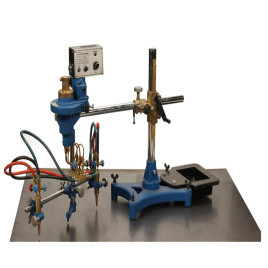
Gas Cutting Machine
₹ 50,000
Get Best Price| Automation Grade : Automatic |
| Availability : In Stock |
| Country of Origin : Made in India |
| Fuel Gas Type : LPG |

Mild Steel Gas Cutting Machine
₹ 12,000
Get Best Price| Automation Grade : Semi automatic |
| Frequency : 50 Hz |
| I Deal In : New Only |
| Material : Mild Steel |


Mild Steel Portable Pipe Profile Gas Cutting Machine
₹ 3,75,000
Get Best Price| Effective Cutting Length : 3000 mm |
| Effective Cutting Width : 1500 mm |
| Flame Cutting Thickness : 100 mm |
| Frequency : 50-60 Hz |
Pune, Maharashtra


Mild Steel Manual Gas Cutting Machine
₹ 30,680
Get Best Price| Automation Grade : Manual |
| Availability : In Stock |
| Cutting Width : 6 mm |
| Fuel Type : LPG |


₹ 30,680

₹ 43,000


Own Mild Steel Semi automatic gas profile cutting machine, 25mm To 1800 Dia
₹ 60,000
Get Best Price| Automation Grade : Semi-Automatic |
| Brand : Own |
| Capacity : 25mm to 1800 dia |
| Cutting Width : 25mm to 1800 dia |

₹ 1,10,000

Gas Cutter Machine
₹ 18,000
Get Best Price| Automation Grade : Manual |
| Availability : In Stock |
| Country of Origin : Made in India |
| Fuel Gas Type : Oxy-Acetylene |


Profile Gas Cutting Machine
₹ 88,000
Get Best Price| Fuel Gas Type : LPG |
| Material : Mild Steel |
| model : Profile Gas Cutting Machine |
| Voltage : 220 V |

Mild Steel 2000 Profile Gas Cutting Machine
₹ 1,80,000
Get Best Price| Automation Grade : Manual |
| Frequency : 50 Hz |
| Fuel Gas Type : LPG |
| Item Code : Makwana2000 |

Mild Steel Profile Gas Cutting Machine
₹ 2,80,000
Get Best Price| Automation Grade : Semi-Automatic |
| Fuel Gas Type : LPG |
| Fuel Type : LPG |
| Material : Mild Steel |

Gas Cutting Trolley
₹ 35,000
Get Best Price| Automation Grade : Semi automatic |
| Color : white |
| Country of Origin : Made in India |
| Fuel Gas Type : Oxy Acetylene |

CG1-30 Electric Gas Cutting Trolley
₹ 16,000
Get Best Price| Automation Grade : Semi-automatic |
| Cutting Capacity : 1500 - 3500 Kg/hr |
| Material : Stainless Steel |
| model : CG1-30 Electric Gas Cutting Trolley |

Automatic CNC Gas Cutting Machine
₹ 10,98,000
Get Best Price| CNC Controller : 2 Axis |
| Controller Accuracy : +-0.01 mm |
| Controller : F2000 |
| Country of Origin : Made in India |


Aluminium AluminumTrack Gas cutting Track, Size: 1.8 Meter
₹ 10,000
Get Best Price| Material : Aluminium |
| Recommended Order Quantity : 1 Unit |
| Size : 1.8 meter |
| Type : AluminumTrack |

Mild Steel Cutting Trolley Single Torch Heavy Duty
₹ 30,000
Get Best Price| Automation Grade : Automatic |
| Country of Origin : Made in India |
| I Deal In : New Only |
| Material : Mild Steel |


Profile Gas Cutting Machine - 1800mm Round Cutting - 5mm to 100mm thick cutting
₹ 40,000
Get Best Price| Automation Grade : Semi-Automatic |
| Brand : Kwality |
| Cutting Diameter : upto 1800mm |
| Cutting Speed : 50-750mm/min |

Automatic Gas Cutter
₹ 12,400
Get Best Price| Automatic Grade : Automatic |
| Brand : Asha |
| Corrosion Resistance : Yes |
| Finish : Coated |

Portable Profile Gas Cutting Machine
₹ 1,70,000
Get Best Price| Automation Grade : Automatic |
| Fuel Gas Type : Oxy-Acetylene |
| Material : Brass |
| model : Portable Profile Gas Cutting Machine |

Portable Gas Cutting Machine
₹ 1,20,000
Get Best Price| Automatic Grade : Semi-Automatic, Automatic |
| Condition : New |
| Cutting Speed (mtr/ min) : 0-200mm |
| Max Cutting Thickness : 5-20 mm |


Profile Cutting Machine
₹ 1,45,000
Get Best Price| Circle Cutting Area : 20-600 |
| Dimension : 1190 x 335 x 1000 |
| Gross Weight : 59 Kg |
| Max Cutting Thickness : 200 mm |

Indus Arc Mild Steel CNC Plasma & Gas Cutting Machines, 3000mm, Model Name/Number: IA-3060HD
₹ 8,50,000
Get Best Price| Automation Grade : Automatic |
| Brand : Indus Arc |
| Country of Origin : Made in India |
| Cutting Width : 3000mm |

Profile Gas Cutting Machine
₹ 42,500
Get Best Price| Automation Grade : Semi-Automatic |
| Brand : Weldnex |
| Cutting Diameter : 20-1800 |
| Cutting Speed : 50-750 mm/min |

Mild Steel Portable Plasma Trolley with Rail
₹ 64,000
Get Best Price| Usage/Application : Industrial |
| Voltage : 230 V |
| Voltage : 240 V |
| Voltage : 380 V |

Automatic Auto Pipe Gas Cutting Machine, Capacity: 5 MM THK TO 100MM THK
₹ 98,000
Get Best Price| Automation Grade : Automatic |
| Brand : Jin Shaa |
| Capacity : 5 MM THK TO 100MM THK |
| Model Number : JSM3000 |

EAGLE Mild Steel Gas Cutting Machine
₹ 15,500
Get Best Price| Automation Grade : Automatic |
| Brand : EAGLE |
| Fuel Gas Type : Oxy-Acetylene |
| Length : 2 MTR |

Gas Pipe Cutting Machine
₹ 70,000
Get Best Price| Automation Grade : Semi-automatic |
| Machine Type : Gas Pipe Cutting Machine |
| model : Gas Pipe Cutting Machine |
| Operation Mode : Gas Cutting & Plasma Cutting |

Mild Steel Gas Cutting Machine
₹ 46,800
Get Best Price| Automation Grade : Semi-automatic |
| Color : Blue |
| Frequency : 50 Hz |
| Material : Mild Steel |


Electric JGC1300P Shaping Machine, Size: 500mm, Capacity: 1300mm
₹ 95,000
Get Best Price| Automation Grade : Automatic |
| Brand : Ambition |
| Capacity : 1300mm |
| Driven Type : Electric |


CNC Gas Cutting Machine
₹ 4,60,000
Get Best Price| Automation Grade : Automatic |
| Country of Origin : Made in India |
| Cutting Thickness : 100 mm |
| Frequency : 50 Hz |
Top Gas Cutting Machine Manufacturer and Supplier
Frequently Asked Questions about Gas Cutting Machine
What is a gas cutting machine?
Combining fuel gas with oxygen permits a gas cutting machine to cut ferrous metals such as steel. Preheating the metal with a fire created from burning a fuel gas—like acetylene, propane, or common gas— mixed with oxygen starts the method. A stream of immaculate oxygen is pointed onto the warmed area when the metal comes to its start temperature. This produces press oxide or slug and extraordinary warmth by a chemical response between the oxygen and the metal. The control of the oxygen fly in this way blows absent the liquid oxide, empowering the machine to cut the metal clean-cut. Since they can cut a wide range of metal thicknesses from lean sheets to overwhelming plates, gas cutting machines are broadly connected in segments like development, shipbuilding, and metal generation. The sensibly convenient and sensibly estimated hardware is fit for both workshop and field use. But this approach works well for ferrous metals since non-ferrous metals like aluminum and stainless steel react in an unexpected way and are challenging to cut with this method. For heavy-duty metal cutting occupations, gas cutting's straightforwardness and proficiency offer assistance to explain why it may be a common choice.
Which gas is used for cutting?
Oxygen is the necessary gas used in gas cutting machines; mixed with a fuel gas, this creates a high-temperature fire. The most often used fuel gas is acetylene since it generates the most grounded fire and allows quick and effective cutting possible. Other available powers are conventional gas, MAPP gas, propane, and propylene. Different characteristics of every one of these gases, including the temperature and fire, could affect the pace and quality of the cutting. For instance, propane and regular gas burn less hot than acetylene, so they may cut more gradually even though they are less expensive and more plentiful. MAPP gas is occasionally used for certain needs like submerged cutting since it is more consistent in some conditions. Under all conditions, the cutting action depends on a flow of perfect oxygen focused onto the warmed metal, which responds with the metal to generate slag and promotes the cut to be created. The gas choice influences the cloth to be cut, the thickness of the metal, and fetched considerations; acetylene is still the most often used gas for ordinary cutting demands.
Why LPG is not used for gas cutting?
Melted petroleum gas, or LPG, is not often used in gas cutting since its fire temperature is lower than that of acetylene. Particularly with thick or challenging materials, the lower temperature reduces the practicality of cutting metal that calls for tall heat. LPG is better for hot operations such as metal cutting it can't cut as quickly or as accurately as acetylene, which produces a very smokier flame. Thus, the quality of the cut using LPG may not be as clean, and the method may actually be slower and less effective. Although LPG is less expensive, safer, and easier to handle than acetylene, its lower fire temperature limits its application in conditions requiring quick, high-quality cuts. Though several customized LPG combinations have been developed to enhance its execution for cutting, generally acetylene is the recommended choice when tall cutting speed and accuracy are needed.
What is CNC gas cutting?
CNC gas cutting is the high-accuracy metal sheet or plate cutting innovation whereby a computer controls a gas-fueled burn. Computer Numerical Control, or CNC, is the machine's taking after headings from a computer program typically inferred from a CAD (computer-aided plan) format. The administrator loads the plan into the machine, which at that point drives the burn along the aiming course to cut the metal. Combining oxygen with a fuel gas such as acetylene or propane, the cutting burn produces a high-temperature fire that softens and cuts over the metal. Since it can handle complicated shapes or designs and ensure correct, repeatable cuts, this strategy is broadly utilized in metal manufacture and fabrication. Common in segments counting development, shipbuilding, and overwhelming apparatus, CNC gas cutting is especially supportive for cutting huge or thick metal plates. The mechanization raises productivity, brings down human botch, and ensures way better quality of the created products.
What is the principle of gas cutting?
Usually mild steel, the idea behind gas cutting could be a chemical interaction between the metal to be cut and oxygen. The metal starts out heated by means of a fire created from a fuel gas such acetylene or propane mixed with oxygen. This preheating raises the metal's temperature to its start point—below its softening point but tall enough for rapid oxidation to demand put. Once the metal reaches this temperature, a fly of perfect oxygen points on the heated surface. Now and then known as slag, the oxygen oxidizes the heated metal in combination with it to generate press oxide. This affects the cutting activity since this reaction is exothermic—that is, generates more heat. The pushed pushes of the oxygen jet release the liquid slag missing from the cut, so releasing the burn to development and maintain cutting over the metal. This method can as it were cut essentially metal whose oxides have a lower dissolving temperature than the parent metal, such mellow steel. The process is constant as long as the metal stays hot and the burn keeps shifting. This rule makes gas cutting a tried and true, practical method for cutting vast steel plates and forms.
What is the best gas for cutting?
Usually in oxy-fuel cutting, especially acetylene, is the recommended gas for cutting. Since acetylene generates the highest fire temperature—about 5,700°F—it is recommended so that exact, clean cuts and speedy preheating are achievable. This produces visibility and great quality, cutting a whole spectrum of metal thicknesses. Also fit for thin and lean steel plates and provides quick beginnings using acetylene. However, acetylene is more expensive and needs cautious handling; its significant flimsiness and flammability at large weights disfavor it. Additional gases are needed for gas cutting as well: normal gas, propane, propylene, and MAPP gas. Although propane burns at a lower temperature than acetylene, which causes slower cutting rates and occasionally more slag and could require assist cleanup, it is typically less expensive, safer, and more readily accessible. MAPP gas is used where acetylene is not feasible since it provides a mix of fastness and safety. Regular gas is the most logical and safest fuel for mass manufacturing, even if its fire temperature is lower and it is less useful for heavy steel. Although the decision is determined by cost, security, and the particular use, acetylene is most usually ranked for speed and cutting quality.
Which cylinder is used for gas cutting
Gas cutting uses two basic kinds of barrels: oxygen and fuel gas barrels. Usually essential for the cutting operation since it responds with the heated metal to produce slag and promotes the cut to happen, high-pressure oxygen fills the oxygen barrel. Acetylene is the most often used fuel gas barrel because of its high flame temperature and cutting power. Usually with a permeable substance and a dissolvable interior to stabilize the acetylene, acetylene barrels are constructed especially to fit the gas storage needs. One can also use other fills, counting propane, propylene, or LPG; each is stored in a barrel anticipating that gas. The estimation and capacity of the cylinders will be affected by the application and the designated gas amount for the work. Usually steel, industrial gas barrels are tested to withstand incredible weights for safe use from robust materials. Safety during gas cutting activities depends on the handling of remedies related to the capacity of oxygen and fuel gas barrels.
What is the temperature of gas cutting?
The temperature incorporated in gas cutting determines both the fuel gas used and the operational organization. Initially heated to its start temperature—for carbon steel, usually between 700°C and 900°C—the metal is gas cutting. While this might be enough for the steel to react fast with oxygen, it is insufficient to soften it. Depending on the gas mix, the preheating flame—created by burning a fuel gas like acetylene or propane with oxygen—can achieve temperatures between 4,400°F and 6,000°F (approximately 2,400°C and 3,200°C. Blended with oxygen, acetylene produces the most remarkable fire with an average temperature of about 3,160°C. Propane and other gases have either lesser values or maybe none at all, given their highest fire temperature of 2,800°C. The lofty temperature of the flame lets the metal be sliced totally and quickly warmed. Once the metal reaches its start temperature, a fly of pure oxygen starts a chemical reaction creating press oxide (slag) and generates advanced warmth, aiding the cutting activity. Preheating and oxidation at high temperatures combined is what drives gas cutting effectiveness for thick steel plates.
What are the different types of gas cutting machines?
There are several types of gas cutting hardware, each tailored for certain uses and degrees of mechanization. Hand-operated manual gas cutting tools appropriate for simple, straight, or bended cuts; they have most shapes. Semi-automatic devices using a motorized drive move the burn in the designated path, therefore improving accuracy and reducing administrative effort. Perfect for mechanical generation, CNC (Computer Numerical Control) gas cutting machines are totally robotized and controlled by computer programs, thereby enabling amazing accuracy and the ability to cut complex shapes and designs. Often used in fabricating offices, profile gas cutting machines are too able to cut particular shapes or profiles depending on forms or customized parameters. Designed for adaptability and quick transportation to a few project sites, valuable for building or support work are flexible gas cutting machines. Frequently used in divisions including oil and gas, pipe gas cutting machines are especially described to cut channels and may oversee unique breadths and thicknesses. Every type of gas cutting machine runs different fills according on the application and fabric being cut: acetylene, propane, or LPG.
What is the pressure for gas cutting?
The weight for gas cutting is influenced by the thickness of the metal being cut, the type of fuel gas, and the estimate of the cutting nozzle. Between 20 and 50 psi is the normal weight for oxygen, the indispensable cutting gas. More thinner metals may need oxygen weight between 20 and 30 psi, while heavier materials can ask up to 50 psi or more. Generally dropping between 3 to 10 psi, the fuel gas—such as acetylene—is placed at a distant lower weight. Usually cutting soft steel up to one inch thick calls for acetylene at roughly five psi and oxygen at 20 to 30 psi. It is appropriate to change the weights in step with producer guidelines and the particular extend requires since using as well moo a weight can result in inappropriate cuts and using as well tall a weight can squander gas and cause the fire to end unstable. Set the weights constantly following burn lighting and with the oxygen lever squeezed since this offers the actual operating weight. Excellent weight settings support produce a perfect, striking cut and provide safe operation during gas cutting.
How many types of gas cutting are there?
The technique and the type of gases used determine the several forms of accessible gas cutting. Now also referred to as flame cutting, oxy-fuel cutting is the most often used and standard method, combining oxygen with a fuel gas such as acetylene, propane, propylene, characteristic gas, or MAPP gas. These gases have particular characteristics like fire temperature and cutting speed; thus, they are appropriate for changed jobs and metal thicknesses. Among other ferrous metals, oxygen-fuel cutting is often involved in cutting moopy steel and mellow steel. Different from oxy-fuel cutting, other heated cutting techniques available include laser cutting and plasma cutting. Laser cutting uses a concentrated laser pillar for accurate and clean cuts; plasma cutting cuts both ferrous and non-ferrous metals using an electrically ionized gas. When people mention gas cutting specifically, they usually mean harsh oxy-fuel cutting, which is generally used in industry for its simplicity and ability to cut vast metal plates, despite the fact that they, as a rule, cruel oxy-fuel cutting. In general, the fuel gas used in oxy-fuel preparation defines the main types of gas cutting, while the broader category of warm cutting also includes plasma and laser cutting for different mechanical applications.
Which flame is used in gas cutting?
A clean and effective cut in gas cutting depends much on the type of flame employed. Neutral flames are the most often employed flame in gas cutting. Combining the fuel gas, such acetylene or LPG, with oxygen in the right ratio produces this flame, which neither gas is in surplus from. The clear, highly defined inner cone and light blue outer envelope of the neutral flame help one to identify it. Ideal for preheating the metal before cutting, the apex of the inner cone boasts the maximum temperature. Using a neutral flame is crucial since it does not add additional oxygen or carbon into the metal, which could otherwise produce flaws or compromise the cut edge. The flame turns oxidizing if it contains too much oxygen, which may brittle the metal. Too much fuel turns a carburizing flame that can contaminate the cut and cause unevenity. Using a neutral flame guarantees consistent and effective heating of the metal, which enables the cutting oxygen jet to react with it and produce slag that is readily blown away. The neutral flame is therefore always preferable in gas cutting operations since this produces a flawless, accurate, and high-quality cut.
Related Product Types
Hard Drawn Low Carbon Wire | Exothermic Powder | Gouging Torch | Orbital Welding Equipment | Welding Head | Welding Curtain | Welding Booth | External Heating Torch | Aluminium Brazing Fluxes | Cast Iron Welding Rod | Spot Welding Electrodes | Stainless Steel Welding Rod | Polypropylene Welding Rod | Hypertherm Plasma Cutter | Plastic Welding Rods | Plasma Torch Consumables | Aluminium Brazing Rods | Air Plasma Consumables | Plasma Cutting Nozzle | Mild Steel Welding Rod | Hypertherm Plasma Consumables | Plasma Cutting Torch | Pipe Gas Cutting Machine | TIG Torch Part | Welding Swan Neck | Gas Cutting Torch
Related Categories
Rubber & Rubber Products | Oils, Grease & Lubricants | Hoses & Hose Fittings | Stained, Etched & Laminated Glass | Flanges & Flanged Fittings | Incense Sticks & Pooja Items | Carts, Dollies & Trolleys | Heavy & Light Duty Casters & Rollers | Disinfection Equipment & Machines | Industrial & Machine Brushes | Industrial Racks & Storage System | Lubrication Systems and Equipment | Stamping Tools & Stamping Machine | Rust & Corrosion Protection Products

