

Home » Extraction Plants and Extruders » Herbal Extraction Plant
Herbal Extraction Plant
(257 products available)A herbal extraction plant is an industrial building – it takes out, cleans, and with thickens active parts from medicinal and aromatic plants. People use these parts in drugs, supplements, and beauty products, as well as food. The main goal of such a plant is to separate helpful substances, like alkaloids, flavonoids, terpenes, saponins, and steroids, in addition to glycosides, from plant material. The plant does this in different ways of pulling out and using solvents. The process usually starts with gathering, checking, and drying, next to grinding plant material. This prepares it to get the most out of the extraction. Workers then put the prepared material through extraction methods, which include maceration, infusion, digestion, decoction, percolation, Soxhlet extraction, or newer ways like ultrasound-assisted or microwave-assisted extraction – these methods help the active parts dissolve well in the chosen solvent. The solvent can be polar, such as water or alcohols, or it can be intermediate polar, like acetone or dichloromethane. A nonpolar solvent, for instance, hexane or ether, is also an option. The choice of solvent depends on the compounds workers want to get. After extraction, the mixture is strained to take out plant bits. Workers often evaporate the solvent to make the extract denser. More cleaning might use chromatography, such as thin layer, column, or high-performance liquid chromatography. The final herbal extracts become tinctures, fluid extracts, or powders. People also put them into finished products. Discover a wide selection of herbal extraction plants at AAJJO – shop now for the best deals! Read more
Herbal Extraction Plant Products, Price, Specifications & Features
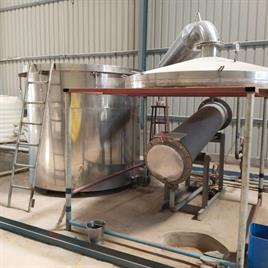
Cinchona Bark Herbal Extraction Plant
₹ 15,00,000
Get Best Price| Automation Grade : Manual |
| Brand : Mechotechllp |
| Capacity : Customization |
| Country of Origin : Made in India |


₹ 75,00,000

₹ 79,00,000

₹ 72,00,000

Herbal Extraction And Distillation Plants, Capacity: 50 Liters To 2000
₹ 2,50,000
Get Best Price| Automation Grade : Yes |
| Capacity : 50 Liters to 2000 |
| Country of Origin : Made in India |
| Frequency : 50 Hz |


₹ 3,50,000

Herbal Extraction unit
₹ 50,00,000
Get Best Price| Automation Grade : PLC base |
| Capacity As : Per Requirement |
| Country of Origin : Made in India |
| Installation Services : Yes |

₹ 60,00,000

Herbal Extraction Plant
₹ 12,00,000
Get Best Price| Application : Industrial |
| Automation grade : Automatic |
| Frequency : 50/60 Hz |
| Product type : Herbal Extraction Plant |
Share Your Requirements
For a Quick response, Please fill up the details below.
Related Videos


Herb Extraction Plant
₹ 3,00,00,000
Get Best Price| Automation Grade : Semi Automatic |
| I Deal In : New Only |
| Installation Services : Yes |
| Material : SS, MS |


Herbal Extraction Plant for Pharmaceutical Industry
₹ 6,00,000
Get Best Price| Automation Grade : Manual and semi-Automatic |
| Capacity : Any capacity from pilot plant upto 5 tons/day or even more |
| Frequency : AS PER REQUIREMENT |
| Installation Services : Yes |

100TPD Herbal Extraction Plant
₹ 22,00,000
Get Best Price| Automation Grade : Automatic |
| Capacity : 100 TPD |
| Frequency : 60 Hz |
| Material : Stainless Steel |

Herbal Processing Plant
₹ 2,49,000
Get Best Price| Capacity : 10-1000kg |
| Material : BASED UPON CUSTOMER SCOPE ( MILD STEEL |
| Phase : 1 |
| Power Source : 1KW-10KW |

Herbal Extraction Plant
₹ 10,00,000
Get Best Price| Automation Grade : Semi Automatic |
| Capacity : 100 kg to 5000 kg per day |
| Material : Stainless Steel |
| Model : Herbal Extraction Plant |

Herbal Extraction Plant
₹ 10,00,000
Get Best Price| Installation Services : Yes |
| Material : Stainless Steel |

Dakshin Kannad, Karnataka


Swaraj Rotary Extraction Plant
₹ 30,00,000
Get Best Price| Automation Grade : Semi Automatic |
| Availability : In Stock |
| Brand : Swaraj |
| Capacity : 500 - 20000 Liters |


Curcumin Extraction Machinery, Capacity: 10 TPD
₹ 10,00,000
Get Best Price| Automation Grade : semi |
| Capacity : 10 TPD |
| Country of Origin : Made in India |
| Installation Services : Yes |

₹ 1,00,000


₹ 10,00,000


₹ 1,56,000

₹ 6,50,000

₹ 6,50,000

MARIYA Ayurvedic & Herbal Machine Manufacturer
₹ 23,00,000
Get Best Price| Automation Grade : Automatic |
| Capacity : 25-50 KG PER HR |
| Contact Parts : SS 304 |
| Country of Origin : Made in India |
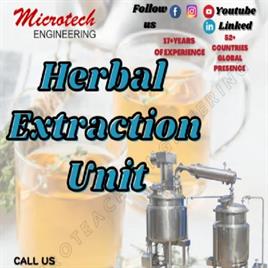
Semi Automatic Stainless Steel Herbal Extraction Unit, Capacity: 50 Ltr 5000 Ltr
₹ 1,49,535
Get Best Price| Capacity : 50 ltr 5000 ltr |
| Country of Origin : Made in India |
| Delivery Time : 1 month |
| Item Code : 024 |

Herbal Extraction Plants, Capacity: 1000 kg
₹ 1,50,00,000
Get Best Price| Capacity : 1000 kg |
| Frequency : 50 Hz |
| Material : Stainless Steel |
| Power Source : Electric |


Vertical Herbal Extractor, Capacity: 200 -12000
₹ 3,00,000
Get Best Price| Automation Grade : Semi-Automatic |
| Capacity : 200 -12000 |
| Country of Origin : Made in India |
| Installation Services : Yes |

₹ 10,00,000
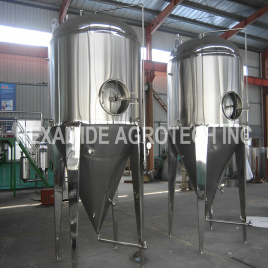
SS Herbal Extractor, Capacity: 500 Ltrs And Above
₹ 2,97,000
Get Best Price| Capacity : 500 ltrs and Above |
| Inner Pressure : 0.09 MPa |
| Installation Services : No |
| Material : Stainless Steel |


Harble Extraction plant
₹ 4,50,000 5,00,000 10.00% Off
Get Best Price| Material : ss |
| Model : Extractor vessel |


Excel Enterprises Herbal Grinding Plant, Maximum Grinding Diameter: 42 Inches
₹ 3,00,000
Get Best Price| Brand Excel Enterprises Maximum Grinding Diameter 42 Inches Spindle Speed 1600 : 2000 RPM |

Herbal Extraction Plant
₹ 3,00,000
Get Best Price| Capacity : 20 TPD |
| Country of Origin : Made in India |
| Installation Services : Yes |
| Material : SS 316 |

Herbal Extractor Machine, Capacity: 5000
₹ 1,35,000
Get Best Price| Brand: SSE |
| Automation Grade : Semi Automatic |
| Availability : In Stock |
| Brand : SSE |
| Capacity : 5000 |


Herbal Extraction Plant, Capacity: 50 TPD to 1000 TPD
₹ 5,40,00,000
Get Best Price| Installation Services : Yes |
| Material : SS & MS |
| Power Source : Electrical |
| Production Capacity : 50 TPD to 1000 TPD |

Herbal Extraction Plant Manufacturer, Capacity: 500 - 5000 Lits
₹ 16,00,000
Get Best Price| Capacity : 500 - 5000 Lits |


Katha Plant
₹ 1,50,00,000
Get Best Price| Feed Rate : 3000-4000 kg/day |
| Installation Services : Yes |
| Material Grade : SS 304, SS 316 |
| Material : Stainless Steel |
Top Herbal Extraction Plant Manufacturer and Supplier
Frequently Asked Questions about Herbal Extraction Plant
What is an herbal extract?
An herbal extract is a concentrated plant material. Workers make it by soaking herbs in a liquid like water, alcohol, or oil. This draws out the plant's helpful parts. The process, extraction, separates useful oils, flavors, or medicinal substances from the plant matter. The liquid typically passes through a filter. Sometimes it dries to form a powder, or people keep it as a liquid.Herbal extracts serve various purposes; they appear as ingredients in medicines, supplements, cosmetics along with food flavorings. Many people employ them in both old and new medicine because of their health advantages, such as aiding digestion, lessening worry, or helping the body fight sickness. Users take herbal extracts in teas, tinctures, pills as well as creams. For example, chamomile extract calms. Ginger extract helps with digestion. Aloe vera extract calms skin. Herbal extracts offer a simple way to access the goodness of herbs in a concentrated and simple format.
How to make a herbal extract?
A person prepares a herbal extract at home with common ingredients. Pick fresh or dried herbs like chamomile, mint, or ginger. Wash fresh herbs. Chop or crush them to release their oils and active compounds. Put the herbs in a clean glass jar. Cover them with a suitable liquid, such as food grade alcohol like vodka, vinegar, or pure water for non alcoholic extracts. The liquid must cover the herbs completely. Seal the jar well and put it in a cool, dark spot for two to six weeks. Gently shaking the mixture every few days is a good practice. After a while, strain it through a fine mesh or cheesecloth. Practically it is seen that this removes the plant material. Only the liquid extract stays. Pour the extract into a clean bottle. Store it in a cool, dark place. The homemade herbal extract is now ready. You can use it in teas, tinctures, or other recipes.
Are herbal extraction plants grown in India?
Herbal extraction plants grow across India. The country yields many medicinal herbs, second only to one other producer. Thousands of species grow here for their active parts, which people put into herbal extracts. Many common herbs, such as ashwagandha, aloe vera, tulsi, neem along with turmeric, grow on farms in different states. Farmers plant them especially where the soil and weather fit the plant. The Indian government helps farmers who grow medicinal plants; they offer schemes plus subsidies that support farmers, so a steady supply enters the herbal industry. Farmers grow these plants for local buyers and for people abroad. A large part of India’s herbal exports are raw herbs also herbal extracts. Growing these plants helps meet the need for natural medicines and supplements - it also gives farmers new ways to earn money as well as to plant other crops. India grows many plants that people use for herbal extraction.
What are herbal extraction plants used for?
Plants with health benefits or helpful properties provide valuable substances. Growers cultivate and gather these plants so their leaves, roots, flowers, or other sections become herbal extracts. The extracts hold active ingredients, like flavonoids, alkaloids, tannins along with essential oils - these are important in medicine, food, cosmetics as well as farming.In medicine, herbal extracts become medicines, supplements in addition to old remedies for treating sicknesses; they also support general health. Within the food business, extracts act as natural flavors, preservatives next to colors. For cosmetics, herbal extracts offer scent and better skincare products. In farming, they serve as natural pesticides or growth promoters for plants. Herbal extraction plants help produce natural items. These items improve health, add flavor, make things pretty along with protect crops in a lasting way.
What is the capacity of herbal extraction plant?
The output of herbal extraction plants changes much because of plant size and purpose. A small machine, or a mini extractor, processes only 5 kg or 10 kg each hour. Such a machine suits small businesses or research places. Commercial plants are larger; they hold between 250 liters plus 10,000 liters, or more, so they process many herbs at once. Other plants take tons each day. One plant processes 1 ton daily, and another processes 100 tons daily, for large industry output. The actual output depends on the equipment, the extraction process, also the business's needs. Most herbal extraction plants use stainless steel. This material keeps things clean and lasts long. Manufacturers alter plants to fit different herbs as well as production aims.
Which solvent is used for the extraction of medicinal plants?
The extraction of medicinal plants employs different solvents. The type of plant and the compounds to obtain govern the choice. Water is the most common plus safest solvent. This applies particularly to water soluble compounds, such as some vitamins and minerals. Water is cheap, non-toxic along with simple to use, but it may cause bacterial growth or demand much heat to thicken the extract.Like ethanol also methanol, also see widespread use; they dissolve many plant compounds. People use them to prepare tinctures or concentrated extracts. Ethanol often receives preference - it is less toxic than methanol and works well for many medicinal plants. Other solvents, such as acetone, chloroform as well as ether, sometimes extract specific compounds that do not dissolve in water or alcohol. These appear less often for home or food use because safety concerns arise. Water as well as alcohol are the main solvents for extracting medicinal plants.
How efficient are herbal processing and extraction methods?
Herbal processing and extraction methods differ in how well they work because of the method used plus the kind of plant material. Maceration and decoction are common old ways to do this. People use them a lot, but they take a long time to get substances out also need much liquid. This wastes material.Newer methods, such as ultrasound assisted extraction, microwave assisted extraction, and pulsed electric field extraction, work much better in several ways - these newer methods pull out more active compounds quicker; they also use less liquid, so extracts often have better quality as well as produce more. For example, microwave assisted extraction raises the amount and smell quality of extracts when compared to older heating methods. Ultrasound extraction works fast, plus it uses less liquid.Some new methods may have limits. Sensitive compounds might break down, or a process may need more steps. Modern ways to get substances from plants offer important improvements in how well they work, how fast they go along with how they affect the environment compared to old methods.
What are the three main types of extraction methods?
The three main extraction procedures for medicinal plants are maceration, percolation along with Soxhlet extraction. With maceration, plant material soaks in a solvent, often water or alcohol, for several days. This lets the active compounds dissolve. Workers stir or shake the mixture at times.After soaking, workers filter the liquid. This separates the extract from the plant material. The gentle approach suits herbs sensitive to heat. A solvent goes through a column that holds powdered plant material. The liquid slowly drips through the column - it gathers the active ingredients as it descends.That procedure works better than maceration and for bigger amounts. Soxhlet extraction is a constant process. Workers place plant material in a glass device. A hot solvent washes the material repeatedly; this helps extract even compounds that are hard to reach. Each method offers benefits, depending on the plant and the extract one wants.
How to extract oil from plants?
The process of taking oil from plants gathers the natural oils present in leaves, seeds, flowers, or roots. Several common methods apply here. One simple way is cold pressing. Workers crush plant material, particularly seeds or nuts, with a press along with this action pushes out the oil. People apply this method to edible oils, such as olive or coconut oil, so it holds the oil’s natural state. Steam distillation is a different process - it works well for fragrant plants, like lavender or peppermint. During the process, steam moves through the plant material, which turns the oil to vapor. The vapor then cools and becomes a separate liquid. For large scale or industrial removal, people sometimes use solvents, such as hexane - these solvents dissolve plant oils, but this practice needs careful handling and extra steps to remove the solvent before the oil is safe to eat. A method works best for different plant types. The choice depends on the plant part plus the oil quality someone desires. Your interest in herbal removal methods connects here because these techniques form the basis for preparing herbal oils and extracts.
What is the principle of extraction?
A process removes a specific compound from a plant or another material - it uses a liquid, a solvent. This method works because active plant parts, such as oils, flavors, or medicines, dissolve in some liquids, but other plant parts do not. When plant material combines with the solvent, the useful compounds move from the plant into the liquid. After soaking or processing, someone filters or separates the mixture. The extract, now containing the wanted substances, collects. Alcohol, or oils are common solvents, and the choice depends on the extract a person wants. The quality of extraction changes based on the solvent type, temperature along with soak time. The main purpose is to obtain as many valuable compounds as possible from the plant material. The simplest and safest way provides the best outcome - this makes the compounds ready for use in medicines, foods, or cosmetics.
What are the methods of extraction of herbs?
Compound extraction from plants assumes various forms. Each method suits different plants and serves different purposes. Maceration is a simple technique. Plant material rests in a fluid, such as water or alcohol, for some days. A filter separates the liquid to gather the extract.Infusion resembles maceration, but it uses hot or cold water for less time - it suits compounds that dissolve easily, as you see in teas. Digestion involves soaking the plant with some warmth. This quickens the extraction of compounds that handle heat fairly well.A decoction means boiling plant material in water for a short period - this method fits ingredients that tolerate heat and dissolve in water. People often use it in old medicine practices. Percolation uses a special glass container. Solvent slowly flows through crushed plant matter, plus it gathers the extract as drips fall.Soxhlet extraction is a constant warm process. It employs a specific device for a good extraction of compounds that do not dissolve easily. Today's methods, such as ultrasound and microwave assisted extraction, use technology; they speed up the process and increase the amount of extract. Each method has its own benefits, depending on the plant also the result someone seeks.
How is a drug extracted from a plant?
To take a drug from a plant, pick the correct part of the plant. This may be leaves, roots, or bark, depending on where the active compounds sit. Dry the plant material. Then grind it into a powder - this makes the surface area larger for extraction. Pick a solvent, such as water for water soluble compounds, or alcohol, acetone, or other solvents for compounds that do not dissolve in water. Soak the powdered plant in the solvent for a time. That process can happen at room temperature, which is maceration - it can also use gentle heat, called digestion, or by boiling, known as decoction.For better extraction, use percolation or Soxhlet extraction methods. There the solvent passes through the plant material without stopping. After extraction, filter the mixture; this separates the liquid extract from the plant residue. Then purify or concentrate the extract more. This isolates the specific drug or active compound. The process collects the helpful substances for use in medicines or research.
Related Product Types
Extrusion Plant | Motorized Bearing Extractor | Rice Bran Solvent Extraction Plant | Bitumen Extractor | Horizontal Rotary Extractors | Centrifuge Extractor | Solid Phase Extraction System | Tclp Extractor machine | Solvent Extraction Plant | Extruder Machine | Automatic Gold Refining Machine | Blown Film Extrusion Machine | Silver Refining Plant | Gold Refining Plant | Gold Refinery Machine | Silver Recovery Unit | Liquid Extraction Plant | Tube Extrusion Machine
Related Categories
Industrial Belts & V Belts | Water Treatment & Purification Plant | Liquid Packaging Machinery | Pumps, Pumping Machines & Spares | Printing Machinery & Equipment | Wrapping & Banding Machines | Moulding Machine | Conveyor Systems & Components | Industrial Mixing Machine | Industrial Coolers, Blowers & Fans | Industrial Valves & Valve Fittings | Dryers & Evaporators | Process Tanks & Chemical Reactors | Fast Food & Beverages Machinery | Mechanical Parts & Spares | Pollution Control Devices & Machines | Filter Assemblies and Spare Parts | Oil Mill & Oil Extraction Machinery | Pharmaceutical Machinery & Equipment | PVC, LDPE, HDPE & Plastic Sheets | Brakes & Braking Systems | Strapping & Sealing Machines | Woodworking Tools & Machines | Packaging Machines & Goods | Machines & Equipments | Testing & Measuring Equipments | Chemical Plants & Machinery | Plastic Work & Processing Machines | Filters & Filtration Systems | Paper Work & Making Machine | Industrial Mixers & Homogenizers | Die Casting Mould & Moulding Tools | Chemicals, Dyes & Allied Products | Footwear Machinery | Separators, Strainers & Purifiers | Hand & Machine Tools | Crusher, Shredder & Presses | Fruit & Vegetable Processing Machine | Storage Tanks, Drums & Containers | Lab Instrument | Bakery & Dairy Machinery | Rubber, Rubber Processing Machinery | Industrial Chemicals | Material Handling Machines & Systems | Milling & Grinding Tools | Cutting Machines & Equipment | Bar, Neodymium & Permanent Magnets | Hydraulic & Pneumatic Machines | Soap & Sanitizer Dispenser | Machine & Precision Tools | Protective Packing Materials | Industrial & Engineering Goods | Air Compressors, Accessories & Parts | Drilling Bits, Collets and Chucks | CNC Machines & Lathe Machine | PVC, FRP, HDPE & Other Plastic Pipes | Surface Coating & Paint Equipment | Drilling & Boring Equipment | Wire Drawing & Cabling Machines | Filling Machines & Plants | Chemical Reactors and Process Tanks | Casting, Moulding & Forging Machines | Industrial Air Conditioner & Devices | Industrial Furnaces & Ovens | Gearbox, Axle, Sprocket & Gear Parts | Oxygen & Nitrogen Gas Plants | Meat & Seafood Processing Equipments | Bending & Metalwork Machines | Weight Bowl & Weighting Scale | Musical Equipment & Accessories | Incinerator | Laser Marking & engraving Machine / System | Sewing,Knitting & Embroidery Machine | Welding Equipments & Machinery | Apparel & Textile Machinery | Boilers & Boiler Parts | Used Machinery & Tools | Binding and Pressing Machines | Closing & Sealing Machines | Jewellery Making Tools & Machines | Cutting Tools & Milling Cutter | Hydraulic & Pneumatic Cylinders | Packaging Caps & Seals

