

Home » Packaging Machines & Goods » Stamping Press
Stamping Press
(63 products available)A stamping press is a fun machine that forces flat metal sheets into shapes and forms of specific shape and size. They find application in the automotive, electronics, appliance, and aerospace industries, where metal parts of high quality need to be produced. It is a quick machine with computerised die sets and sophisticated hydraulic or mechanical forming, bending, punching, and stamping systems. It is built heavy-duty and can handle heavy loads but still be operated at a high rate to maximise output, critical in mass production. Is ergonomically controlled; each setting is adjustable for reliability by the operator. Contains numerous safety devices to reduce exposure to operators. The drive systems are also energy-efficient to help reduce costs without compromising the function or capability of the stamping press. Whether making complex parts or durable parts, the stamping press provides maximum precision and reliability. With different materials and tool sets, they are the ideal machines for any kind and style of production. Have the latest but reliable stamping presses here at Aajjo. Read more
Stamping Press Products, Price, Specifications & Features

Progressive Die Tools, 0.020, 55-58
₹ 50,000
Get Best Price| Availability : In Stock |
| Hardness : 55-58 |
| Material : Die Steel |
| Pattern Type : Not applicable |


MS BHT - Fix Frame Hydraulic Press - Stamping Machine, Automation Grade: Automatic
₹ 7,00,000
Get Best Price| Automation Grade : Automatic |
| Brand : BHT |
| Condition : New |
| Machine Type : Rubber Stamping Machine |


MS Soap Hand Stamping Press, Automation Grade: Manual, Model Name/Number: Hssm
₹ 35,000
Get Best Price| Automation Grade : Manual |
| Capacity : 800 to 1000 Soap in Hour |
| Machine Type : Soap Stamping Machine Manual |
| Material : MS |

Stamping Press Machine
₹ 1,05,000
Get Best Price| Automation Grade : Automatic |
| Capacity : 10 Ton |
| Machine Type : Foil Stamping Machine |
| Material : High Speed Steel |

Share Your Requirements
For a Quick response, Please fill up the details below.
Related Videos
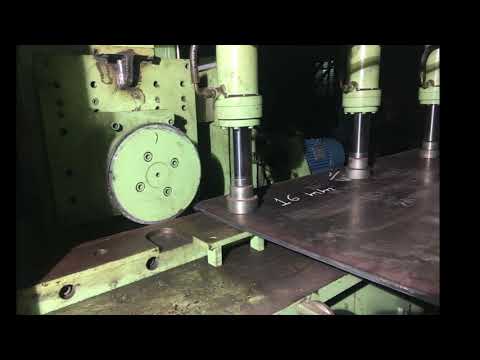

Hydraulic Stamping Machine
₹ 7,00,000
Get Best Price| Brand: parrytech |
| Automation Grade : Automatic |
| Availability : In Stock |
| Brand : parrytech |
| Material : MS |

₹ 4,00,000

₹ 2,00,000

Silicon Steel E-i Lamination Dies
| Availability : In Stock |
| Hardness : 55-60 |
| Material : Silicon Steel |
| Tolerance : 0.05 |

100-500 Composite SMC & BMC Hydrulic Press
₹ 10,00,000
Get Best Price| Automation Grade : Fully Automatic |
| Availability : In Stock |
| Capacity (Ton) : 100-500 |
| Material : Mild Steel |

₹ 10,00,000

Hydraulic Stamping Press, Capacity(T): 20 Ton
₹ 6,00,000
Get Best Price| Automation Grade : Automatic |
| Capacity(T) : 20 Ton |
| Frequency : 60Hz |
| Machine Type : Rubber Stamping Machine |

Angle Marking Stamping Machines
₹ 4,25,000
Get Best Price| Brand: JEKSHINE |
| Availability : In Stock |
| Bolster Area : 600 x 200 mm |
| Brand : Jekshine |
| Capacity : 75 Ton |

Semi-Automatic Hydraulic Stamping Press, Capacity: 1-5 Ton
₹ 1,95,000
Get Best Price| 2 : 25 |
| Capacity : 1-5 Ton |
| Condition : New |
| Material : Mild Steel |

Hot Stamping Press Machine
₹ 6,85,000
Get Best Price| Automation Grade : Automatic |
| Capacity : 3 to 300 Ton |
| Modal : Hot Stamping Press Machine |
| Power Source : Electric |

₹ 6,65,000

₹ 4,65,000

₹ 2,35,000
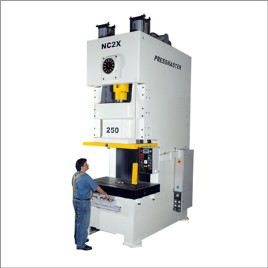


Pneumatic Stamping Press
₹ 52,000
Get Best Price| Brand: PressnPresstech |
| Automatic Grade : Automatic |
| Automation Grade : Semi-Automatic |
| Availability : In Stock |
| Body Material : MS |

Custmized Hydraulic Stamping Press
₹ 99,500
Get Best Price| Brand: Sai Engineers & Fabricators |
| Automation Grade : Semi-Automatic |
| Capacity : 1.5 to 50 ton |
| Frequency : 50 Hz |
| Material : Iron |

Progressive Die
₹ 1,50,000
Get Best Price| Availability : In Stock |
| Country of Origin : Made in India |
| Hardness : 58-60 HRC |
| Material : TOOL STEEL |


MM Imported D-2 Modular Box Progressive Die with Bending, .02, 60-62
₹ 3,25,000
Get Best Price| Hardness : 60-62 |
| Material : Imported D-2 |
| Pattern Dimensions : MM |
| Pattern Type : Progressive |


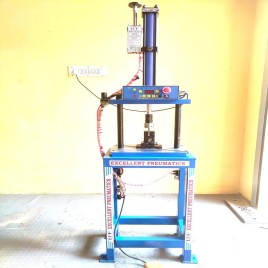
Number Stamping Press Machine
₹ 55,000
Get Best Price| Availability : In Stock |
| Brand : EXCELLENT PNEUMATICS |

Stamping Press Tool, Stamping Speed: 20 piece/min
₹ 55,000
Get Best Price| Automation Grade : Semi-Automatic |
| Availability : In Stock |
| Machine Type : Stamping Press Tool |
| Material : MS |

Sheet Corner Notching Tool, For Commercial
₹ 1,86,000
Get Best Price| Brand : Amtech |
| Color : Red |
| Country of Origin : Made in India |
| I Deal In : New Only |

MS Hydraulic Stamping Press, Model Name/Number: YIHS100, Capacity: 100 Tons
₹ 5,00,000
Get Best Price| Automation Grade : Automatic |
| Country of Origin : Made in India |
| Delivery Time : 40 days |
| Features : Heavy Duty Plate work with Bed slotting for stamp clamping |


₹ 1,25,000

Alloy Steel Hydraulic Stamping Press, Capacity: 25 Ton To 2000 Ton
₹ 2,54,870
Get Best Price| Automation Grade : Mannual, PLC, CNC |
| Brand : Criefco |
| Capacity : 25 Ton to 2000 Ton |
| I Deal In : New Only |
Ahmedabad, Gujarat

C Taype 10 Hydaulic Stamping Press, Capacity: 50mt
₹ 6,50,000
Get Best Price| Automation Grade : Semi Automatic |
| Capacity : 50mt |
| Material : Mild Steel |
| Model Name/Number : roshan |

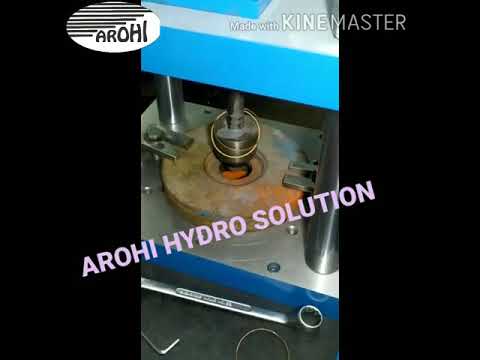
Hydraulic Stamping Press Machine
₹ 1,20,000
Get Best Price| Brand: AROHI HYDRO SOLUTION |
| Automation Grade : Semi Automatic |
| Availability : In Stock |
| Brand : AROHI HYDRO SOLUTION |
| Country of Origin : Made in India |


Progressive Stamping Die
₹ 30,000
Get Best Price| Brand: OEM |
| Availability : In Stock |
| Brand : OEM |
| Country of Origin : Made in India |
| Die Operation : Punching |

Industrial Progressive Dies
| Deal In : New |
| Surface Finished : Polished |
| Type : Dies |
| Usage/Application : Industrial |

High Speed Stamping Press
₹ 18,00,000
Get Best Price| Machine Type : STAMPING PRESS |
| Make..komatsu (Japan) : Cap..110 |
| Material : High Speed Steel |
| Model Name/Number : MODEL..OBS 110 |

Plain Air Pneumatic Press Machine, Automation Grade: Automatic, Capacity: 4 Inch
₹ 35,000
Get Best Price| Automation Grade : Automatic |
| Capacity : 4 inch |
| Control Type : Non-CNC |
| Design : Plain |


Laser Stamping Machine
₹ 2,00,000
Get Best Price| Automation Grade : Automatic |
| Frequency : 50 Hz |
| Machine Type : Laser Stamping |
| Material : High Speed Steel |


Arco Whitney Angle Marking / Stamping Machines
₹ 1,44,000
Get Best Price| Brand : Arco Whitney |
| Recommended Order Quantity : 1 |


Punching die module box complete set, For Industrial, Squre
₹ 1,90,000
Get Best Price| Availability : In Stock |
| Color : die |
| Country of Origin : Made in India |
| Design : squre |


Stamping Clipping Hydraulic Press Machine, Capacity: 10-20 Ton
₹ 1,00,000
Get Best Price| 1 : 5 Ton |
| 10 : 20 Ton |
| 20 : 40 Ton |
| Automatic Type : Semi-Automatic |
Top Stamping Press Manufacturer and Supplier
Frequently Asked Questions about Stamping Press
What does a stamping press do?
A stamping press is a device employed in production to form or sever metal sheets into definite components. It works via changing circular motion into straight motion, which applies power to a part of metal set between two molds. The molds are made tools that decide the form and measurement of the end product. The method has these steps: first, the raw metal goes into the press, then the device's plunger goes down using power. This presses the metal into the mold so the wanted form occurs. Stamping presses have many uses and can turn out many parts, from basic forms to hard designs. They see common application in areas like vehicles, aircraft along with electronics. The quickness and exactness of stamping presses make possible the big-scale output of like parts in a way that is productive. This assists with cutting costs and boosting worth. There are types of stamping presses, such as machines, those that use fluids next to those that use motors. Each provides special pluses for varied production needs. To sum it up stamping presses have a key spot in current production via making it easier to do large runs. All this is while keeping up truth and evenness.
What is the process of stamping and pressing?
The operation involves stamping and pressing metal sheets or coils into predetermined shapes through the use of tools, along with a die-mounted press stamper. It starts with the part design and tool making, where specialists use CAD programs to make sure everything is done accurately. Experts have the ability to level, slit, and cut chosen metal sheets to achieve sufficient flatness and dimensions. These raw materials are fetched by the press. Heaped pressure is then applied on the metal to press it into the die's shape. Blanking, bending, packaging, angle forming, embossing, coining, and punching are all possible methods that can be added to these efforts. Whether the features will be single motion or multi-motion will mostly depend on the difficulty of the part. Usually, the process of cold-forging is performed without heating; however, there are occasions where the contention does heat up. Stamping is maybe the last step of the process; however add-on process operations like thorough washing, painting, or deburring could help both in improving the strength and the appearance as well. Electronics along with automotive use stamping and pressing extensively to quickly and uniformly manufacture precise components.
What is stamping process?
Stamping is a flat metal sheet-forming industrial procedure used in precise geometries. It starts with the development of the intended part, where engineers design whole specifications guaranteeing precision. Once the design is finished, dies that is, precisely created tools are set. Essential for creating the metal, the dies are flexible enough for cutting, bending, and embossing among other uses. After the die is ready, the metal coils or sheets are leveled and cut to the proper proportions. Once put into it via the dies, a stamping press compresses the metal under extreme force. The metal is formed like the die from this compression. The stamping operation might involve several steps: blanking (cutting forms), shaping (creating bends or curves), and piercing holes. Usually applying a cold-forming technique, stamping does not involve heat. While working on, metal can get heated by friction even though heat is not used here. Following stamping, other finishing operations including cleaning and coating could help to enhance the appearance and life of the parts. For many different sectors of manufacturing premium metal components, stamping is a quick process generally.
What are the duties of a stamping press operator?
Running and maintaining stamping machines that cut metal into different shapes falls to stamping press operators. The major duty of the stamping press is to fit every project since it is set to meet specific production needs. This is selecting the right tools and dies needed for the job.In order to ensure quality and productivity, the operator keeps a close eye on the stamping process throughout production runs. Regular quality checks on the components produced guarantee that they are up to standards. In case there are problems occurring, such as this equipment breakdown or quality problems, the operator has to deal with them promptly. In addition to operating the gear, stamping press operators also keep accurate production records and report any deviations. Wearing gloves and glasses of protection will enable them to adhere to safety practices and ensure a safe working environment. Mechanical maintenance of the machines is another function of the operators; they wash them and change parts where necessary. They work collaboratively to help other employees to achieve production levels and maintain high levels of quality throughout the manufacturing process.
What are the different types of stamping presses?
Fabricators use a wide variety of stamping presses, each designed for specific uses and applications. The high-speed production is enabled by two of the most often used mechanical stamping presses since their energy produced from a motor coupled to a flywheel helps. Simple shapes work well within these presses. They manage large amounts with ease. Hydraulic stamping presses use pressured hydraulics, which affects their operation during application. Enhanced adaptability with the stroke length and the force makes these presses suited for more complex shapes in addition to tougher material. Although they are slower than mechanical presses, their capacity to sustain continuous pressure over the stroke is vital for precise work. Another device combining elements of mechanical and hydraulic presses is a mechanical servo press. These presses use high-capacity motors to precisely control slide motion and velocity, ensuring production flexibility even at high velocities. There exist distinct presses featuring C- and H-frame structures. Reduced productions often need adaptable C-frame presses. Demanding tasks require extra firmness, which H-frame presses offer. Being aware of these varying kinds aids manufacturers when choosing a press that suits specific needs.
What is a servo stamping press?
A servo stamping press is a mechanical press. It uses a servo motor to manage the movement of its ram with precision. Traditional mechanical presses rely on flywheels and clutches. Servo presses use advanced electronic systems. These systems deliver motion profiles that can be programmed. Operators can change the speed, position along with force of the ram. They can do this at any point during the stamping process. It makes the press useful for different uses. Servo presses are very useful in industries such as automotive and electronics. These industries use them for jobs that include joining, pressing along with fastening parts. They can do operations inside a single stroke. This increases production and betters quality. The press may pause or become slower during certain stroke points. This allows for involved actions. Examples are laser welding or parts insertion.The machines also have good energy efficiency. They use power only when in action. Traditional presses use continuous power. The exact management provided by servo engineering causes scrap rates to become smaller. It makes product quality better. Servo stamping presses show an advance in manufacturing. They offer usefulness and effectiveness in the manufacture of metal parts that are good.
How do stamping presses work?
A stamping press uses mechanical or hydraulic systems. It shapes metal sheets so they have the forms that are wanted. The process often starts with preparing a metal piece. This piece often in sheet or coil form, is cleaned. It may also be oiled. This can help improve the metal's workability. Once ready, the metal is either manually or automatically fed into the stamping press. Placed in the press, two dies—one upper and one lower die—form a hollow that fits the intended shape of the final item. Once the press is turned on, a ram drops down closing the top die on top of the bottom die. This movement warps the metal, therefore forming it according to the die pattern. Whether mechanical or hydraulic, the kind of press employed will affect the force capability. Among the several techniques the stamping process can call for are blanking, piercing, bending, and embossing. Each method aims to make specific metal shapes or aspects. Additional actions such as cutting or finishing, may be performed following stamping to ensure the items meet standards. Stamping presses are commonly required to allow for the effective creation of many exact metal parts.
What material is used for stamping?
The nature of the stamped goods produced by manufacturers differs greatly, and they have special qualities fit for different uses. Of the most often used materials, aluminum is light with the right strength-to-weight ratio. Made for use in sectors including automotive and aerospace, its outstanding formability and corrosion resistance make it perfect. Steel, particularly carbon steel and stainless steel, finds widespread use. For long-lasting items like panels and brackets, durable and reasonably priced carbon steel is therefore perfect. Perfect for uses needing durability and strength, stainless steel is most known for resisting corrosion. Also quite sought-after substitutes are copper and copper alloys, brass, and bronze. Usually found in electrical parts, copper is relatively malleable and conductive. Brass, a copper-zinc alloy, offers enough workability and corrosion resistance for use as ornamental hardware and fittings. Other materials include nickel alloys, which offer outstanding strength under demanding conditions and corrosion resistance, and titanium, sometimes used in aviation. The particular needs of the created part will determine the material.
What is the speed of a stamping press?
The speed of a stamping press will be a function largely of kind and arrangement. Mechanical stamping presses operate typically between 20 and 1,500 strokes per minute. Efficiency-tuned high-speed mechanical presses may operate between 500 and 1,200 strokes per minute, particularly in industries such as electronics and fasteners. Hydraulic stamping presses often operate at lower speeds than mechanical presses. The speeds usually fall in a range, from 10 to 100 strokes per minute. These devices focus on force and exactness instead of speed. With technology's advancement, fast hydraulic presses, with rates reaching almost 200 strokes each minute, are available. Servo stamping presses represent a newer kind. They allow for adjustable motion regulation, which has enabled operations to achieve up to 2,000 strokes in the same duration. The flexibility of these devices makes them suitable for processes featuring substantial needs, in which exactness is important. The press rate that is selected depends on what the machine will be used for, also the substance that is worked with. More rapid rates can cause a higher amount to be created but mindful care regarding things like tool damage and material management may be vital for quality and efficient making.
What is the process of stamping press?
A stamping press applies pressure and accuracy to convert flat metal sheets or coils into desired forms. It all starts with material procurement: metal sheets must be cut, washed, and flatness-checked for correct size. These necessary materials are fed in manually or automatically into the stamping press where upper and lower dies are matched. After aligning all, the press is activated, pushing the ram down, bringing the top die over the bottom die. At obtaining a considerable pressure, the metal is formed into shape, adhering to all set standards. For obtaining the designed component, several processes can be employed, some of which are blanking, bending, piercing, embossing, and coining.
What is the temperature of stamping?
Hot or cold stamping will determine the temperature to utilize during stamping. Usually between 760°C and 950°C, hot stamping will heat the metal to a quite high temperature. It enables the material to become more ductile by heating, therefore enabling its easy deformation without breaking. The kind of material chosen will most certainly affect the chosen temperature since different materials have different heating needs. When cold stamping, the process occurs at room temperature, usually between 20°C and 25°C. This procedure is predicated on the inherent qualities of the metal devoid of additional heat. Those materials that are not weakened and lose their formability at lower temperatures fall under cold stamping. High-quality outputs depend on both techniques' effective regulation of temperature. Low temperatures in hot stamping could cause the material to distort and result in flaws. On the other side, too much heat causes material to deform or scorch. Thus, precise temperature control is crucial to ensure that the stamped components reach the specified criteria and quality standards.
What machine is used for stamping?
Three broad categories constitute the stamping machines: mechanical, hydraulic, and servo presses. As mechanical presses are best known for speed and efficiency, they are utilized in large volume production. They operate on the basis of a motor attached to a flywheel, which provides power to punch with pressure. This makes them ideal for production of complex shapes requiring increased material flow. Incorporating the virtues of both hydraulic and mechanical systems are servo presses. They offer the accurate control of the movement of the ram via servo motors so that programmable position and speed changes can be achieved. Their high flexibility and efficiency for a variety of stamping operations originate from this capability. Each of the stamping presses serves to satisfy various needs in industry, and therefore machine selection is subject to parameters such as the needed rate of output and the component complexity of the manufactured part.
Related Product Types
Paper Masking Tape | Aluminium Containers | Plastic Perfume Bottles | Mesh Laundry Bags | Bottle Shape Pouch | Chevron Set | Floor Sealers | Heavy Material Storage Pallet | Solvent Based Adhesive | polyurethane Sealant | One Way Vision Film | Automatic Powder Packing Machine | Vinyl Roll | Plastic Garbage Bag | Screw Cap | PVC Seal | Electrical Insulation Tapes | Carry Handle Applicator Machine | Product Labels | Labelling Machines | Electronic Label | Silage Bag | Antistatic Bags | Bottle Cork | Eye Drop Bottle | Lid Containers | Laminated Rolls | Waterproofing Sealant | Lockout Tags | Flip Cap Opening Tester | Pillow Pouches | Three Side Sealed Bag | Stand Up Pouch | Zip Lock Pouch | Welding Tape | Cigarette Foil | Wrapping Film | PVC Blister Packing Machine | Bottle Labels | Laminated Foil | Aluminium Foil Lid | Pharma Foils | Induction Sealing Wads | Plastic Jerry Cans | Aluminium Pouches | Packaging Boxes | Paper Glasses | Paper Container | Areca Leaf Plate | Candy Sticks | Drinking Straws | Areca Leaf Container | Sticker Labelling Machine | Lanyard Rolls | Gold Foil | Polypropylene Caps | Tea Packaging Machine | Form Fill Seal Machines | Paper Lids | Namkeen Packing Machine | Transparent Plastic Storage Box | Plastic Envelopes | Packaging Rolls | Food Packaging Box | SS Food Container | Plastic Dropper Bottles | Drum Cap Seal | Copper Tape | Price Labels | Automotive Labels | Barcode Tags | Barcode Tag | Plastic Shaker Bottle | Label Sticker | Auto Body Sticker | Battery Sticker | Pharmaceutical Labels | Printed Labels | Plastic Seal | Foil Labels | Packaging Machine | Wire Ties | Agarbatti pouch sealer | Manual Labelling Machine | Net Packaging Machine | MS Pallet | Jewelry Tray | Aluminum Boxes | Wood Embossing Machine | Air Cushion Machine | Metal Storage Bin | Tube Sealing Machine | Center Sealing Machine | Automatic Sticker Labelling Machine | Hand Marker Machine | Tong Sealing Machine | Bottle Labelling Machine | Label Applicators | Vial Labelling Machine | Water Bottle Cap | Shirt And Saree Packaging Boxes | De Blister Machine | Hot Air Seam Sealing Machine | Piggy back Label | Die Cut Sticker | Tamper Evident Tape | Bottle Sticker Labelling Machine | Manual Cap Sealing Machine | Manual Capping Machine | Semi Automatic Capping Machine | Screw Capping Machine | Automatic Capping Machine | Crown Capping Machine | Powder Filling Machine | Pouch sealing machine | Manual Lug Capping Machine | Automatic Screw Capping Machine | Lug Capping Machine | Tag Pins | Automatic Thermal Lamination Machine | Automatic Lamination Machine | Steam Shrink Tunnel Machine | Automatic Sleeving Machine | Lamination Machines | Wood Pallets | Rotary Capping Machine | Pharmaceutical Packaging Machine | Plastic Bag Printing Services | Industrial Paper Lamination Machine | Adhesive Primer | Polyester Tape | HDPE Tape | Conical Bolt Boxes | Angle Board | Paper Cans | Pump Bottle | Plastic Spice Box | Vegetable Mesh Bag | PP Jumbo Bag | Spices Packing Machine | HDPE Bottle | Bag Filling Machine | Sweet Packaging Tray | Anti Static Tray | Powder Packaging Machine | Plastic Hair Oil Bottle | Pet Bottle Preform | Tablet Empty Tube | Cap Closures | Homeopathic Plastic Bottles | Bottle Sealing and Capping Machine | Tin Containers | Cartoning Machines | Tobacco Packing Machine | Autoclave Tape | Pouch filling and sealing machine | Induction Cap Sealing Machine | Tube Filling Machine | Tote Bins | Granules Packing Machine | Honey Packing Machine | Jaggery packing machine | Milk Powder Packing Machine | Automatic Cup Filling And Sealing Machine | Garam Masala Packing Machine | Haldi Packing Machine | Khada Masala Packing Machine | Automatic Poha Packing Machine | Grain Packing Machine With Weighing System | Joint Filler Bag Packing Machine | Automatic Sachet Packing Machine | Kurkure Packing Machine | Toy Box | Vertical Form Fill Seal Machine | Automatic Spice packing machine | Tube Filling and Sealing Machine | Used Plastic Pallets | Storage Pallet | Industrial Pallet | HDPE Pallets | supari pouch packing machine | Warehouse Pallet | Roto Molded Plastic Pallets | Two Way Pallets | Four Way Pallets | Rackable Pallet | Nestable Pallets | Euro Pallets | Wooden Packaging Box | Wooden Pallet Collar | Supreme Plastic Pallets | Brick Pallet | Plastic Fly Ash Brick Pallet | Injection Molded Plastic Pallets | Air Freight Pallets | Reversible Pallet | Heavy Duty Plastic Pallets | Scrap Plastic Pallets | Medium Duty Plastic Pallets | Light Duty Plastic Pallets | Extruded Plastic Pallets | Rubber Plugs | Horizontal Flow Wrap Machine | Tool Box | Horizontal Cartoning Machine | Vertical Cartoner Machine | Horizontal Cartoning Machine | Carton Box Packaging Machine | Collapsible Pallet | Plastic Bag Making Machine | Chocolate Tray | Automatic Filling Machine | Automatic Induction Sealing Machine | Bopp Bags | PP Laminated Sack | Printed Packaging Bags | Spices Packaging Bags | Rice Bags | Pp Printed Bags | Filling Line/Machines | Automatic Blister Packing Machine | Bottle Sealing Machines | Pickle Filling Machine | Shampoo Squeezing & Recovery Machine | Silicone Rubber Caps | Plastic Patti Packing Machine | Surface Protection Tape | Carton Clip Sealer | Fiberglass Tape | Balata Packing Belts | Band Sealing Machine spares | Bag Seals | Zipper Pouch Machine | Stretch Tape | Mushroom Tray | Industrial Plastic Bag | Round Boxes | Industrial Bag Closing Machine | Fevicol Packing Machine | Automatic ORS Filling Machine | Laboratory Heat Sealer | Fly Ash Brick Pallet | Aluminium Bottles | Recycled Plastic Pallets | Pneumatic Sealing Machine | Instant Adhesives | Hot Melt Powder | BOPP Tapes | Stretch Film | Silicone Sealant | Biscuit Packaging Machine | Self Adhesive Labels | Tissue Tape | Transparent Label | Wine Label | Cement Packing Machine | EPE Bag | Packaging Net | PET Bottles | Biohazard Bags | Fine Mist Sprayers | Lotion Pump | Blanket Bag | Pipe Markers | Anti Skid Tape | Surface Protection Film | Roll On Bottle | Trigger Spray Bottle | Spray Bottles | Plastic Foam Pumps | Inner Plug | Self Adhesive Foil | Shampoo Bottle | Glow Tape | Epoxy Adhesives | HDPE & PP Woven Sacks | Vacuum Bagging Film | Door Hangings | Cellophane Paper | Plastic Packaging Materials | Tin Aerosol Cans | Candle Boxes | Cleanroom Tape | Anti Corrosive Tape | Jute Gunny Bags | Wrapper | Corrugated Paper Board | Pall Ring | Wooden Container | Vegetable Packing Machine | Laminated Pouches | Printed Packaging Rolls | Splicing Tapes | Plastic Film | Milk Pouch | Stretch Film Dispenser | Transparent Packaging Bags | Bubble Envelope | Puffed Rice Packing Machine | Vacuum Storage Bag | Construction Adhesives | Packaging Foil | Food Packaging Bag | Mastic Tape | Collar Type Packing Machine | Weighmetric Filling Machine | Heavy Duty Industrial Corrugated Boxes | Metallized Polyester Film | Polystyrene Container | PP Box Strapping Roll | Elastic Cords | Forming Collar | Brass Stitching Wire | Nylon Tapes | Cord Strap | Drum Pallets | Copper Stitching Wire | Tin Box | Pinewood Box | Hot Fix Tape | Multiseal Tape | Lamination Rubber Rollers | VCI Bags | Pouch Making Machines | Agricultural Bags | VCI Air Bubble Film | Leather Tape | Packing Plywood | Laminated Bags | Dish Wash Bottles | Pharmaceutical Containers | Cosmetic Container | PP Pall Ring | LED Bulb Box | Duplex Board | Paper Lamination Machine | Automatic Pouch Packing Machine | Kapton Tape | CTC Caps | Spout Caps | Push Pull Bottle Cap | HDPE Bags | Pallet Covers | Glass Adhesives | UV Cure Adhesive | Acrylic Bonding Agent | Polymer Bonding Agent | Block Bonding Adhesive | Epoxy Bonding Agent | Leather Embossing Machines | Nitrogen Flushing Machine | Acrylic Sealants | Anti Static Film | MYK Tile Adhesives | ESD Roll | Acrylic Glue | Aluminum Collapsible Tubes | Die Cut Labels | Plastic Sweet Box | Plastic Punnets | Trigger Sprayers | Heat Transfer Vinyl | PET Strap | LD Roll | Polyester Strapping | Plumbing Tapes | Pipe Wrapping Tape | Waterproof Tapes | Flashing Tape | Ghee Tin Container | Round Tin Box | Flex Tape | PP Corrugated Sheets | Sauce Container | Flute Boards | Packaging Containers | Rubber Stoppers | Corrugated Plastic Box | Masking Film | Duct Tape | Double Sided Tape | Manual Scrubber Packing Machine | Gasket Tape | Wacker Silicone Sealant | Paper Pouch | Plastic Tape | Plastic Jars | Flip Top Plastic Cap | Identification Labels | Barrier Bags | Lug Cap | Crown Caps | Thermoformed Tray | Laundry Bag | Foam Trays | Met Pet Film | Polythene Covers | Mobile Phone Boxes | Scrubber Card | Sweet Packaging Box | Spice Packaging Box | Mono Cartons | Juice Filling Machine | Pet Bottling Machine | Custom Printed Cardboard Box | Food Grade Paper | Parchment Paper | Ribbon Coding Machine | Animal Feed Bag | Metal Boxes | Plastic muffin box | Horizontal Packaging Machine | Stand Up Pouch Making Machine | Bread Packing Machine | Noodles Packing Machine | Capping Head | Cup Filling Machine | Digital Liquid Filling Machine | Flour Mill Packing Machine | Semi Automatic Pouch Packing Machine | Sanitizer Filling Machine | Butter Packaging Machine | Vertical Packaging Machine | PVC Foil | Surgical Product Packaging Machine | Paper Straw Packing Machine | Lime Packing Machine | Aluminium Beverage Cans | Rubber Tape | Sealing Tape | Blister Sealing Machine | Scrubber Packing Machine | Silver Foil Paper Plates | PVC Data Strip | Plastic Vegetable Crate | Jumbo Crate | Storage Crate | Plastic Storage Bins | PP Corrugated Bins | ESD Bins | Industrial Plastic Crate | Fabricated Crates | Plastic Bottle Crates | Milk Crates | PVC Film | PET Film | Heat Transfer Film | Fruit Juice Packaging Machine | Milk Pouch Packing Machine | Oil Pouch Packing Machine | Edible Oil Packing Machine | DTF PET Heat Transfer Film | Soft Drink Making Machinery | Teflon Tapes | Paper Cups | Extrusion Lamination Machine | Rebar Tying Machine | BOPP Film | Beverage Filling Machine | Sugar Packing Machine | Grain Packing Machine | Ice Cream Packaging Machine | Collar Packing Machine | Oil Packing Machine | Food Packaging Machines | Detergent Packing Machine | Sauce Packing Machine | Tea Bag Packing Machine | ORS Packing Machine | Dry Fruit Packing Machine | Pulses Packing Machine | Coffee Packaging Machine | Multihead Weigher Packing Machine | Multi Head Weigh Filler | Flour Packing Machine | Form Fill Machine | Liquid Pouch Packing Machine | Salt Packaging Machine | Disposable Food Tray | Shrink Packaging Machines | Granule Pouch Packing Machine | Ear Tags | Volumetric Filling Machine | Flap Pasting Machine | Laser Etching Machine | Silage Packing Machines | Stamping Machine | Packaging plant | Continuous Band Sealer Machine | Glass Films | Corrugated Box Machine | Soap Packaging Machines | Chuski Pepsi Pouch Packing Machine | Gutka pouch making Machine | Packaging Machine Heater | Rusk Packing Machine | Milk Bottle | Plastic Round Container | Metal Pallets | Plastic Pallet | Export Pallets | Rice Packaging Machine | Sattu Packaging Machine | Pneumatic Packing Machine | Candy Packaging Machine | Batter Packing Machine | Incense Stick Packing Machine | Pan Masala Packing Machine | Bottle Packaging Machines | Shampoo packing machine | Soya Bean Packing Machine | Seed Packaging Machine | Biryani Sakhar Packing Machine | Chocolate packaging machine | Bakery Packing Machine | Napkin Packing Machine | Film Laminating Adhesives | Polyester Film | Blister Packaging Machines | Poha Packing Machine | Peanuts Packing Machine | Automatic Rotary Roaster | Oil Cap | Aluminium Foil Tape | Butyl Tape | Foam Tapes | Bitumen Tape | Automatic Packaging Line | Packaging Strip | Pouch Packaging Machine Parts | Tablet Packaging Machine | Non Woven Bags | Blister Forming Machine | Skin Packaging Machines | Surgical Gloves Packaging Machine | Shrink Film | Cupcake Packaging Machine | Ball Bearing Packing Machine | Pvc tape packing machine | Piston Pin Packing Machine | Multi Track Packing Machine | Pillow Pack Machine | Paste Filling Machine | Mask Packing Machine | Strapping Roll | Pallet Shuttle | Sweet Packaging Machine | Industrial Packing Machine | Case Erector Machines | Soap Stamping Machine | LED Bulb Automatic Packing Machine | Barricade Tape | Glue Applicators | Epoxy Resins | Film Lamination Machine | Electrochemical Etching Machine | Thermal Lamination Machine | PVC Roll | Metal Sheet Embossing Machine | Sequential Meter Marker | Roll To Roll Lamination Machine | Cold Laminating Machine | Camphor Packaging Machine | Combo Lamination Machine | Popcorn Packing Machine | Packaging Machine Blades | Label Dispensers | Air Pad Machine | Semi Automatic Liquid Filling Machine | Automatic Rotary Labelling Machine | Toilet Roll Packing Machine | Sanitary Pad Packaging Machine | Diapers Packing Machine | Cutlery Packing Machine | Wall Putty Packing Machine | Domed Labels | Vinyl Sticker | Sun Control Film | Jumbo Bag Filling Machine | Chikki Packing Machine | Ampoule Labelling Machine | Case Packing Machinery | Ice Cream Stick Packing Machine | Pickle Packing Machine | Sample Box | Plastic Packaging Machine | Pneumatic lamination Machine | Bag Packaging Machines | Fertilizer Packing Machine | Digital Adhesive Dispenser | Single Chamber Vacuum Packing Machine | Lassi Pouch Packing Machine | Egg Boxes | Carton Folding Machine | Paper Plate Lamination Machine | Cloth Packing Machine | Plastic Valve Packing Machine | Pre Filled Syringe Filling Machine | Floor Tile Adhesive | White Cement | Bonding Agents | Sealant Dispensers | Fastener Packaging Machine | PVC Shrink Label | Packaging Pouch | Bottle Seals | Pouch Packaging Machines Plant | ABRO Masking Tapes | Fevicol Adhesive | Industrial Adhesives | Metallic Laminated Sheet | Astral Adhesive Sealants | Waterproof Adhesive | PVC Edge Band | Tile Fixing Compound | Edge Banding Tape | PVC Tape | Flute Lamination Machine | Gloss Lamination Film | Manual Blister Packing Machine | Galvo Scanner | Vulcanizing Solution | Ratchet Buckles | Self Seal Sterilization Pouch | Car Coolant Bottle | Teflon Dam | Laser Equipment Parts | Laser Nozzle | Oca Lamination Machine | Paper Embossing Machine | Solventless Lamination Machine | Holographic Film | Hologram Machine | Silver Hot Stamping Foil | Stitching Wire | Hydraulic Embossing Machine | Loctite Adhesive | Gasket Sealant | Metal Putty | Batch Coding Stamp | Titanium Putty | Aluminium Putty | Polyurethane Putty | Epoxy Putty | Silicone Gun | Atta Maida Bin | Material Movement Pallet | Oil Tin Cap Sealing Machine | Packing Ring | Oil Wiper Ring | Uniforms Label | Garment Paper Tag | Label Tape | Gasket Shellac Compound | Grease Bucket and Container | Seal Cap | Oil Bucket | Engine Oil Can | Auto Tea Bag Packing Plant | Snacks Packing Machine Plant | Thermal Grease | Incense Cone Packing Machine | Stick Pack Machine | Polymer Film | Fluid Dispenser | Cartridge Retainer | Strip Packing Machine | Box Packaging Machine | Price Tag | Label | Fevikwik | Synthetic Rubber Adhesive | M Seal | UPVC Adhesive | CPVC Cement | Thermocol Ice Box | Modified Atmosphere Packaging Machinery | Ceramic Fiber Tape | Radium Sticker
Related Categories
Industrial Belts & V Belts | Water Treatment & Purification Plant | Liquid Packaging Machinery | Pumps, Pumping Machines & Spares | Printing Machinery & Equipment | Wrapping & Banding Machines | Moulding Machine | Conveyor Systems & Components | Industrial Mixing Machine | Industrial Coolers, Blowers & Fans | Industrial Valves & Valve Fittings | Dryers & Evaporators | Process Tanks & Chemical Reactors | Fast Food & Beverages Machinery | Mechanical Parts & Spares | Pollution Control Devices & Machines | Filter Assemblies and Spare Parts | Oil Mill & Oil Extraction Machinery | Pharmaceutical Machinery & Equipment | PVC, LDPE, HDPE & Plastic Sheets | Brakes & Braking Systems | Strapping & Sealing Machines | Woodworking Tools & Machines | Machines & Equipments | Testing & Measuring Equipments | Chemical Plants & Machinery | Plastic Work & Processing Machines | Filters & Filtration Systems | Paper Work & Making Machine | Industrial Mixers & Homogenizers | Die Casting Mould & Moulding Tools | Chemicals, Dyes & Allied Products | Footwear Machinery | Separators, Strainers & Purifiers | Hand & Machine Tools | Crusher, Shredder & Presses | Fruit & Vegetable Processing Machine | Storage Tanks, Drums & Containers | Lab Instrument | Bakery & Dairy Machinery | Rubber, Rubber Processing Machinery | Industrial Chemicals | Material Handling Machines & Systems | Milling & Grinding Tools | Cutting Machines & Equipment | Bar, Neodymium & Permanent Magnets | Hydraulic & Pneumatic Machines | Soap & Sanitizer Dispenser | Machine & Precision Tools | Extraction Plants and Extruders | Protective Packing Materials | Industrial & Engineering Goods | Air Compressors, Accessories & Parts | Drilling Bits, Collets and Chucks | CNC Machines & Lathe Machine | PVC, FRP, HDPE & Other Plastic Pipes | Surface Coating & Paint Equipment | Drilling & Boring Equipment | Wire Drawing & Cabling Machines | Filling Machines & Plants | Chemical Reactors and Process Tanks | Casting, Moulding & Forging Machines | Industrial Air Conditioner & Devices | Industrial Furnaces & Ovens | Gearbox, Axle, Sprocket & Gear Parts | Oxygen & Nitrogen Gas Plants | Meat & Seafood Processing Equipments | Bending & Metalwork Machines | Weight Bowl & Weighting Scale | Musical Equipment & Accessories | Incinerator | Laser Marking & engraving Machine / System | Sewing,Knitting & Embroidery Machine | Welding Equipments & Machinery | Apparel & Textile Machinery | Boilers & Boiler Parts | Used Machinery & Tools | Binding and Pressing Machines | Closing & Sealing Machines | Jewellery Making Tools & Machines | Cutting Tools & Milling Cutter | Hydraulic & Pneumatic Cylinders | Packaging Caps & Seals

