

Home » Water Treatment & Purification Plant » Effluent Treatment Plant » Effluent Treatment Plant


Effluent Treatment Plant
₹ 1,99,000 Get Latest Price
Product Specifications
| Model | Effluent Treatment Plant |
GST No - 19AAIFF0265C1ZP | Member since 2023
Danga Khan Para, Post: Bonhooghly 2, P.S.: Narendrapur, Kolkata
A ETP stands for Effluent Treatment Plant. It is a water treatment facility designed to treat and purify industrial wastewater, also known as effluent Read More...
Product Details
A ETP stands for Effluent Treatment Plant. It is a water treatment facility designed to treat and purify industrial wastewater, also known as effluent, before it is discharged into the environment. ETPs are crucial for minimizing the negative impact of industrial wastewater on ecosystems and ensuring compliance with environmental regulations. Here's an overview of the processes and components typically involved in an Effluent Treatment Plant:Primary Treatment: The effluent from industrial processes enters the ETP and undergoes primary treatment, which involves physical processes to remove large solid particles and floating materials. This is often achieved through processes such as screening, sedimentation, and/or clarification tanks.Secondary Treatment: After primary treatment, the effluent undergoes secondary treatment, which focuses on the removal of dissolved and suspended organic matter. Common secondary treatment processes include biological treatment methods such as activated sludge process, extended aeration, sequencing batch reactors (SBR), or other biological treatment systems. These processes utilize microorganisms to break down and consume organic pollutants, converting them into harmless byproducts.Tertiary Treatment: Depending on the specific requirements and quality standards, tertiary treatment may be employed to further polish the effluent. Tertiary treatment processes aim to remove residual pollutants, nutrients, and other contaminants that may still be present after primary and secondary treatment. Examples of tertiary treatment methods include filtration (sand, multimedia, or membrane filtration), advanced oxidation processes (such as ozonation or UV disinfection), or chemical precipitation methods.Sludge Treatment and Management: During the treatment processes, sludge is generated as a byproduct. Sludge typically contains solid particles and microorganisms that have been removed from the wastewater. Sludge treatment and management involve processes such as thickening, dewatering, and potentially further treatment to reduce its volume and stabilize it for safe disposal or beneficial reuse.Monitoring and Control: An ETP incorporates monitoring and control systems to ensure the efficient operation of the treatment processes. This includes monitoring and controlling parameters such as flow rate, pH, temperature, dissolved oxygen levels, and the concentration of pollutants. Automated systems and sensors may be employed to maintain optimal treatment conditions and allow for adjustments as needed.Compliance and Discharge: The treated effluent is continuously monitored to ensure it meets the environmental regulations and standards set by local authorities. Once the effluent is deemed compliant, it can be discharged into surface water bodies or reused for non-potable purposes, depending on the specific requirements and regulations.Effluent Treatment Plants are designed based on the characteristics of the industrial wastewater, including its flow rate, pollutant concentrations, and specific treatment goals. The complexity and size of the ETP can vary depending on the nature and volume of the effluent. It is essential to design, operate, and maintain ETPs in adherence to environmental regulations and best practices to minimize the environmental impact of industrial wastewater and protect surrounding ecosystems. is a water treatment system designed to reduce the concentration of hardness minerals, primarily calcium and magnesium, in water. Hard water contains high levels of these minerals, which can cause issues such as scale buildup in plumbing systems, reduced efficiency of water heaters and appliances, and decreased lathering of soaps and detergents. A water softener uses a process called ion exchange to remove hardness minerals from the water. Here's an overview of how a typical water softener works:Ion Exchange Resin: The key component of a water softener is the ion exchange resin. The resin consists of tiny beads or granules that are made up of a polystyrene matrix with sulfonate functional groups. These functional groups attract and exchange ions in the water.Softening Process: The water softening process begins when hard water enters the water softener tank. Inside the tank, the water flows through a bed of ion exchange resin. The resin beads attract and retain the calcium and magnesium ions present in the water, while releasing an equivalent number of sodium ions into the water.Regeneration: Over time, the ion exchange resin becomes saturated with calcium and magnesium ions and loses its ability to soften water effectively. Regeneration is necessary to restore the resin's capacity. During the regeneration process, a concentrated solution of sodium chloride (salt) is used to flush the resin bed. The sodium ions in the salt solution displace the calcium and magnesium ions on the resin, effectively recharging the resin and preparing it for the next softening cycle.Rinse Cycle: After regeneration, the water softener goes through a rinse cycle to remove any excess salt and other impurities from the resin bed. This ensures that the treated water is free from excess sodium or chloride ions.Control Valve: A control valve is an integral part of a water softener system. It manages the different cycles of the softening process, such as backwashing, regeneration, and rinsing, based on a predetermined schedule or water usage patterns. Some advanced water softeners use electronic control valves that can adjust the regeneration cycle based on water hardness levels, water flow, or time.It's important to note that a water softener requires the regular addition of salt to the brine tank for the regeneration process. The frequency of regeneration depends on water usage and the hardness level of the incoming water. Periodic maintenance, such as resin bed cleaning or replacement, is also necessary to ensure optimal performance of the water softener.Water softeners provide numerous benefits, including reduced scale buildup in pipes and appliances, improved efficiency and lifespan of water heaters and washing machines, softer and cleaner-feeling water, and improved lathering of soaps and detergents. However, it's worth considering the impact of increased sodium levels in softened water for individuals on low-sodium diets or for plants sensitive to sodium.Before installing a water softener, it is recommended to have a water test conducted to determine the hardness level and other water quality parameters. This will help determine the appropriate size and type of water softener needed to meet specific requirements. Consulting with water treatment professionals or plumbers can provide guidance in selecting and installing the right water softener system for your needs.
Company Details
Company video
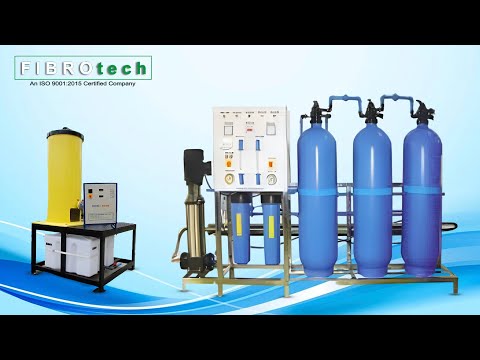
Incorporated in the year 2015, Fibrotech Solution is a well-known company that aims to produce high-quality goods. We are a group of enthusiastic professionals whose sole mission is to provide outstanding services to our customers. We are centered around giving our clients the best and most reasonable items since we are a client-driven business. We work with top-notch equipment and adhere to industry-specific regulations. Our responsibility as a leading company is to offer genuine outcomes and useful tools to the sector.
read more...
Danga Khan Para, Post: Bonhooghly 2, P.S.: Narendrapur, Kolkata
Send your enquiry to supplier
Related Products
 Star Performer

₹ 6,35,250
| Air Blower Count : 2 Blowers |
| Air Blower Power : 0.25 KW |
| Application Industry : Food Industry |
| Availability : In Stock |
Star Performer

₹ 2,95,000
| Available : In Stock |
| Business Type : Manufacturer, Supplier |
| Country of Origin : Made in India |
| I Deal In : New Only |
Pranjali Water Solution Technology, Gautambuddha Nagar, Uttar Pradesh
Star Performer

Automatic 100 LPH Mineral Water Plant Machinery
₹ 3,00,000
| Automatic Grade : Automatic |
| Driven Type : Electric |
| Plant Capacity : 100 LPH |
| Power : 3.1KW |

₹ 1,30,000
| Business Type : Manufacturer, Supplier |
| Country of Origin : India |
| Material : MS with FRP lining |
| Model : ETP Plant |

₹ 3,75,000
| Application : Industrial wastewater treatment |
| Business Type : Manufacturer, Supplier |
| Country of Origin : Made in India |
| Filtration Stages : Pressure sand filter, activated carbon filter |

Pharmaceutical Effluent Treatment Plant, 2 KLD
₹ 5,00,000 / Unit
| Automation Grade : Automatic |
| Availability : In Stock |
| Industry / Application : Pharmaceutical |
| Key Features : Water Recycling |

₹
1,50,000
2,00,000
| Model : ETP Plants 1kld |


₹ 1,99,000
| Air Blower Power (kW) : 0.25 kW |
| Cooling Type : Water Cooled |
| Material : Carbon Steel |
| Model : Effluent Treatment Plant |

Chemical 400 kld etp plant, For Effluent Treatment, Pan India
₹ 30,50,000
| Application Industry : Industrial Effluent Waste |
| Automation Grade : Automatic |
| Capacity (KLD) : 30 KLD |
| Capacity (KLD/MLD) : 30 KLD |
Customer Reviews
Submit your Reviews
Best Selling Products from Fibrotech Solution

₹ 15,000
| Capacity : 500 LPH |
| Material : FRP |
| Model : Iron Removal Filter |
| Usage : Domestic, Industrial and Community |

₹ 95,000
| Material : FRP & MS / SS |
| Model : 20 Ltr Jar Filling RO Plant |
| RO Capacity : 250 LPH |
| Usage/Application : Industrial & Business |

₹ 14,99,000
| Certifications : BIS |
| Chilling Capacity (In Tons) : 2 TR |
| Model : Mineral Water Bottling Plant |
| Purification Capacity : 1000 LPH |


₹ 1,00,000
| Material : FRP & MS/SS |
| Model : RO001FS |
| RO Capacity : 250 LPH |
| Usage/Application : Industrial, Community, Govt. water supply schemes & Business |

₹ 17,99,000
| Model : Mineral Water Project |
| RO Capacity : 2000 LPH |
| Water Purification Process : 9 stage Nano Filtration |
| Water Storage Capacity : 2000 Ltr. |

₹ 99,000
| Electricity : 220/440 |
| Model : Water Purification System |

₹ 90,000
| Automatic Grade : Automatic |
| Capacity : 250 LPH |
| Material : FRP / MS |
| Model : Water Filtration System |

₹ 1,20,000
| Capacity Inlet Flow Rate : 1000 Ltrs. |
| Model : Mineral Water Plant |
| Water Purification Process : 9 stage Nano Filtration |
| Water Storage Capacity : 500 Ltr. |

₹ 1,20,000
| Capacity : 500 LPH |
| Material : FRP / MS |
| model : Drinking Water Plant |
| Voltage : 220 v |

